
Saint John’s Resort weddings require preparation long before the day begins. The scale of the property, the architecture of each ballroom, and the way light moves through the Atrium demand careful study before guests arrive.
There are venues that are simply beautiful. And then there are venues that hold a wedding well.
Saint John’s Resort is the latter.
With six distinct ballrooms — the Atrium, Garden Pavilion, Grand Ballroom, Mosaic Ballroom, Provincial Ballroom, and the newly added Monarch — the property offers architectural range without losing cohesion. Each space interacts with light differently, and each one requires a distinct vantage point. For that reason, understanding the environment becomes essential long before the wedding day begins.
Rather than reacting to events as they unfold, Ray Anthony Photography evaluates each space in advance. He studies how natural light enters from above, where shadows deepen in the evening, and which angles preserve scale without overwhelming the frame. By the time guests arrive, Ray has already determined the best locations to compose beautiful memories.
Photographing Saint John’s Resort weddings with intention
Photographing Saint John’s Resort weddings requires awareness of structure, symmetry, and architectural rhythm. Each ballroom carries a distinct presence, and Ray approaches every space with preparation rather than reaction.
The Atrium
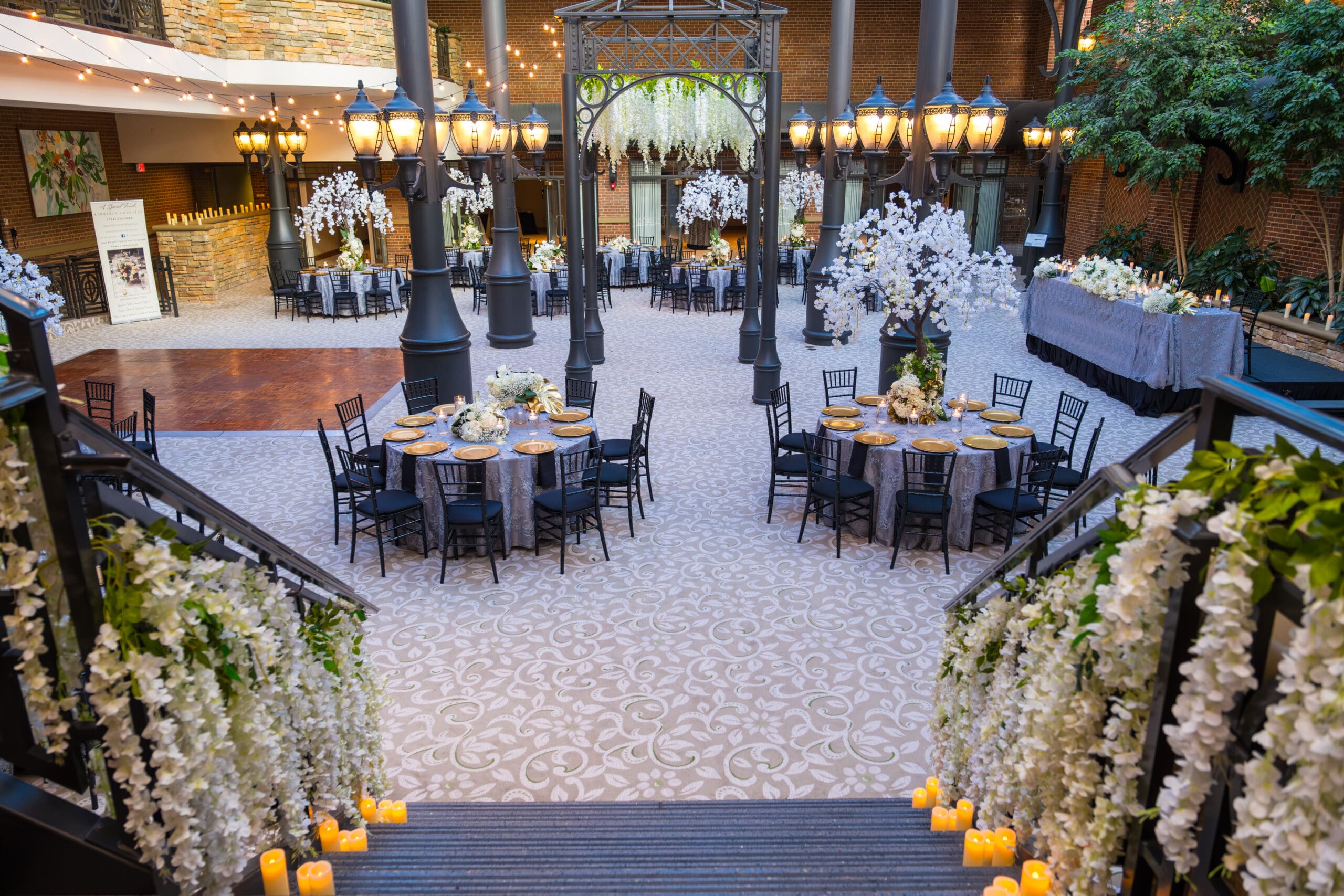
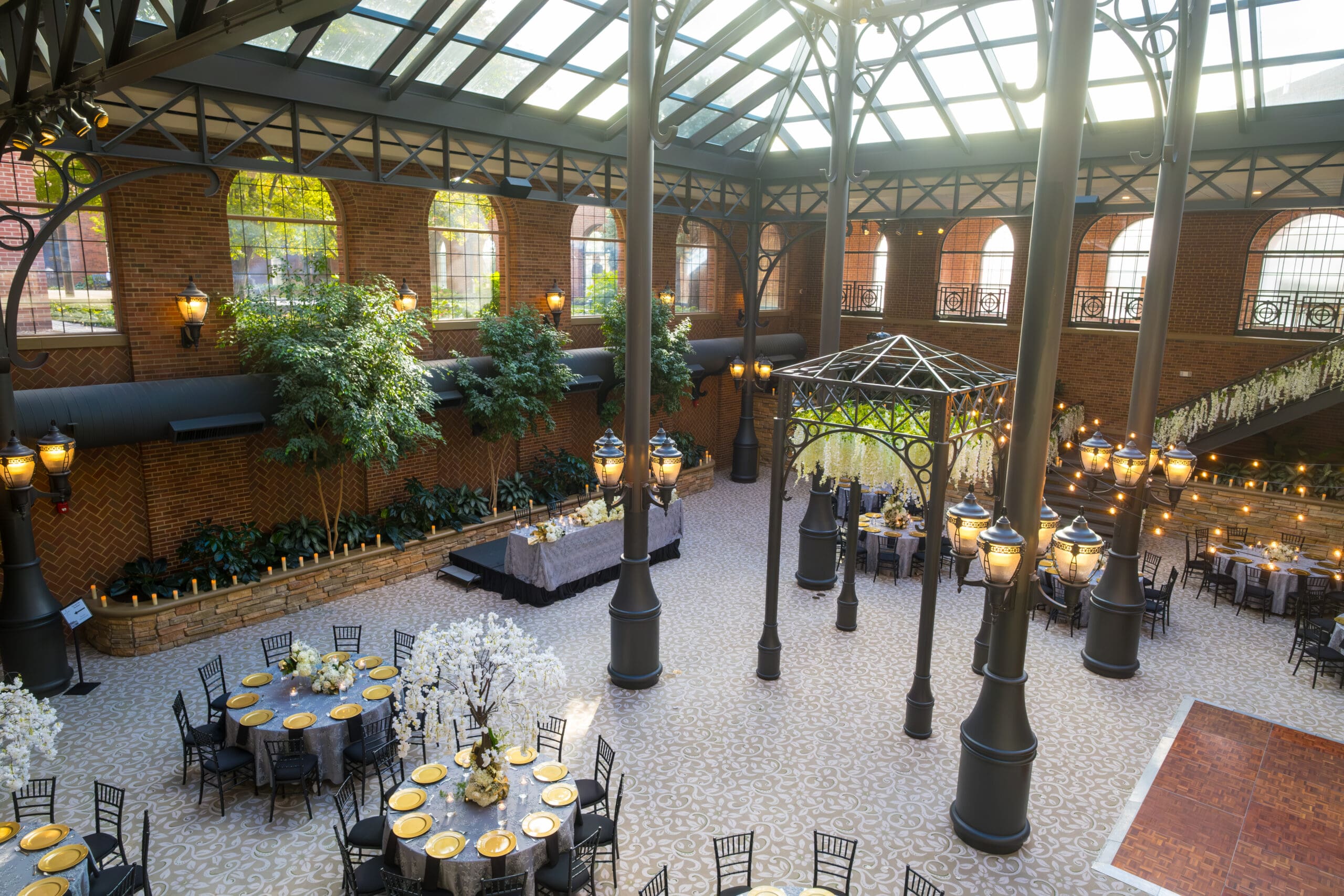
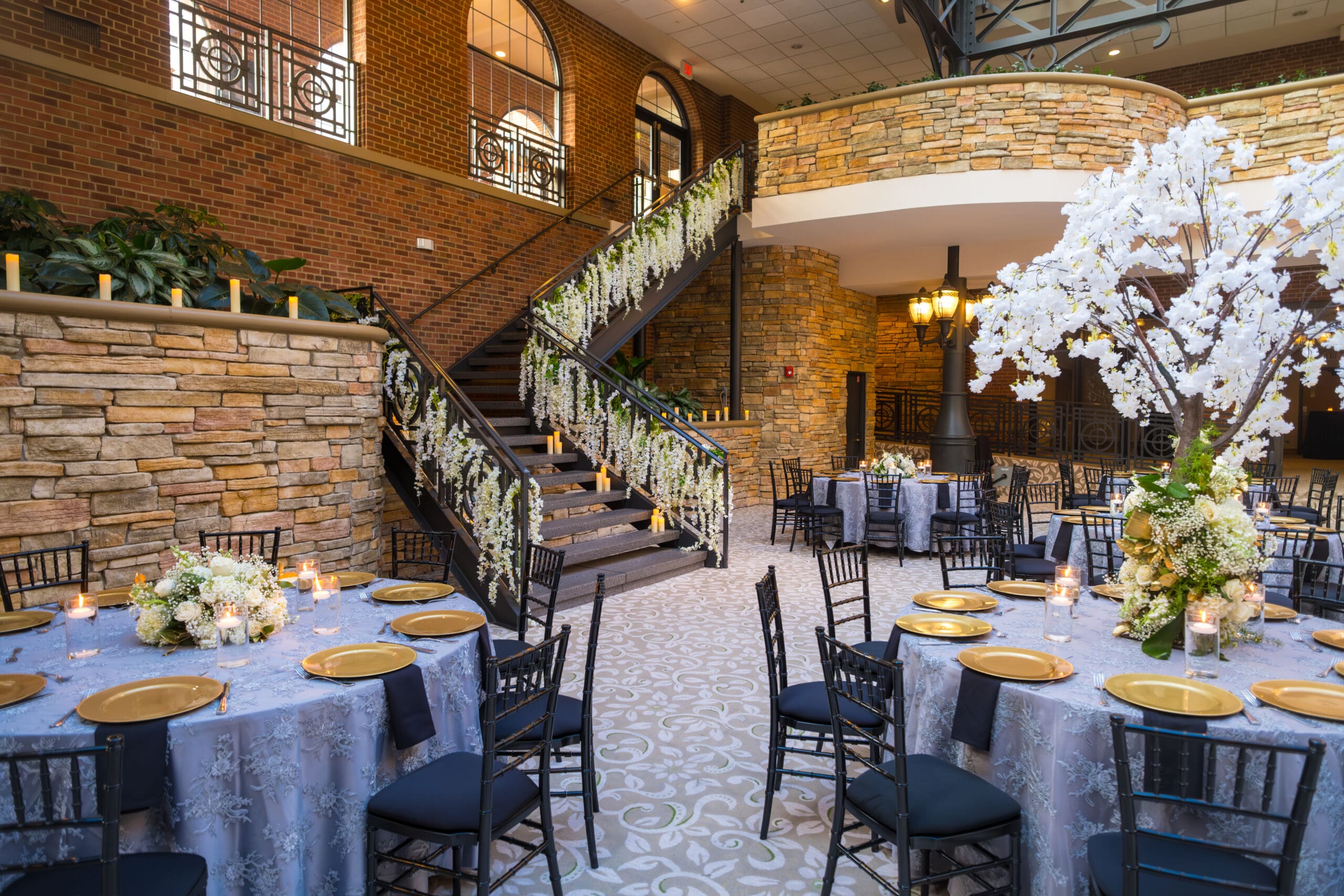
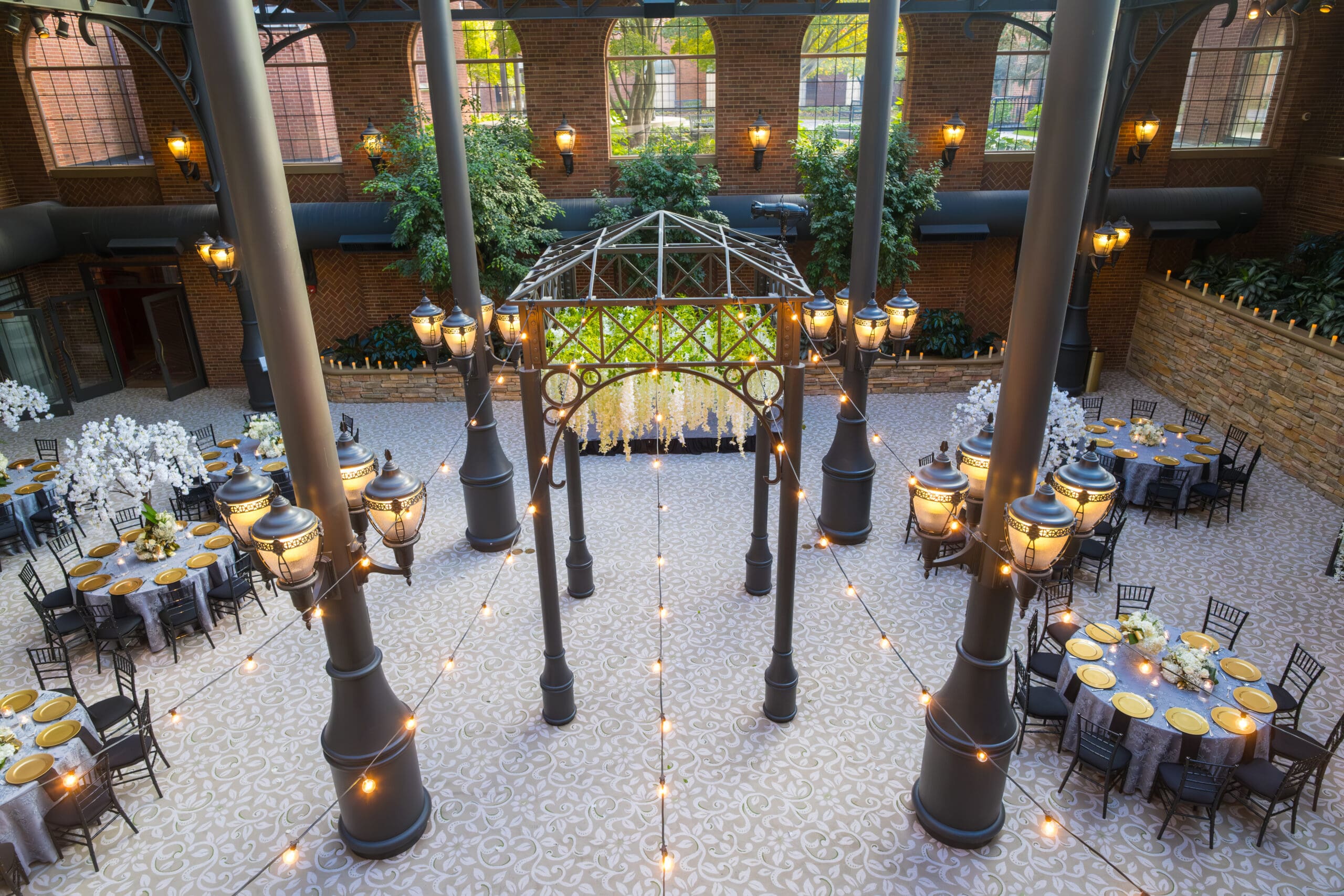
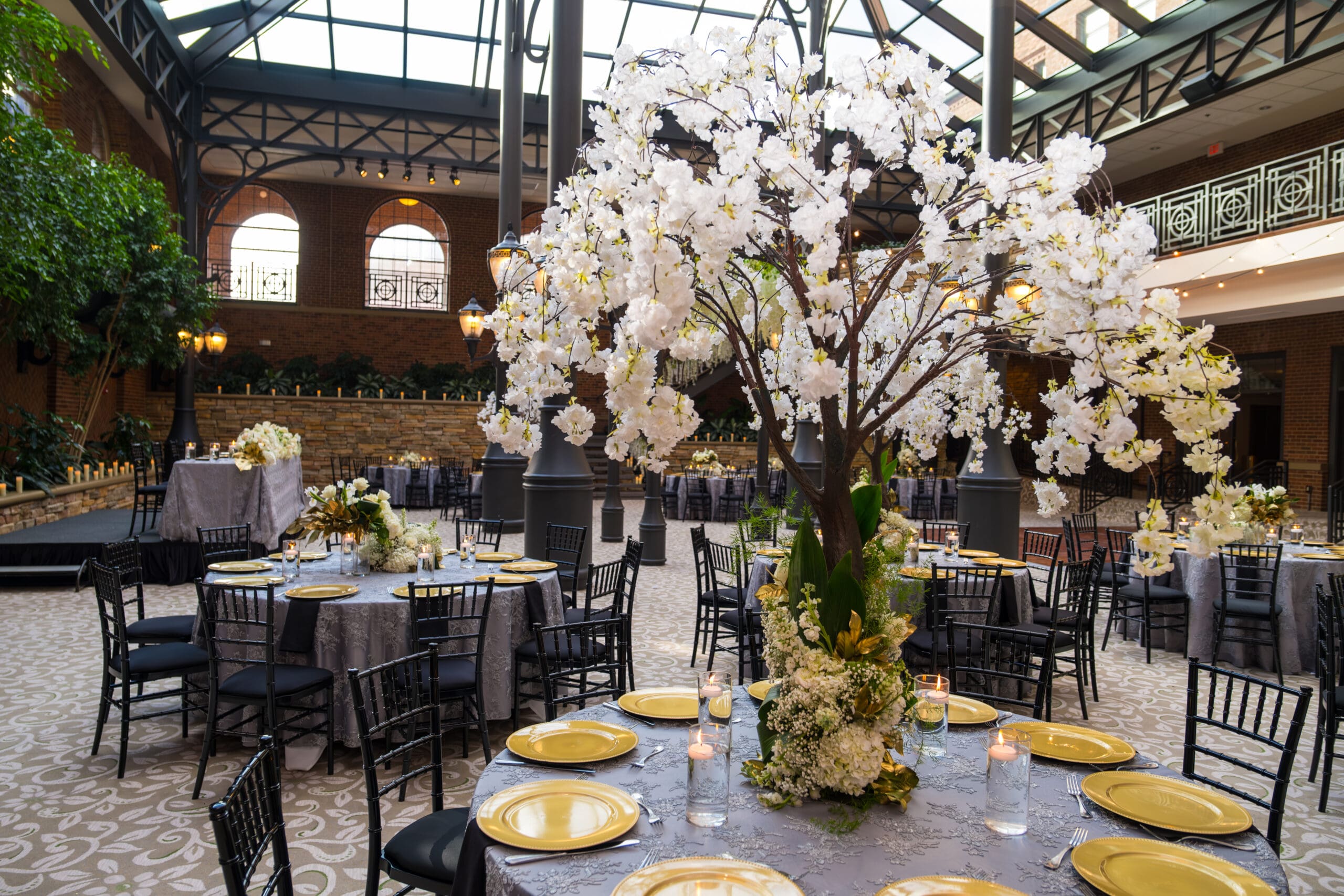
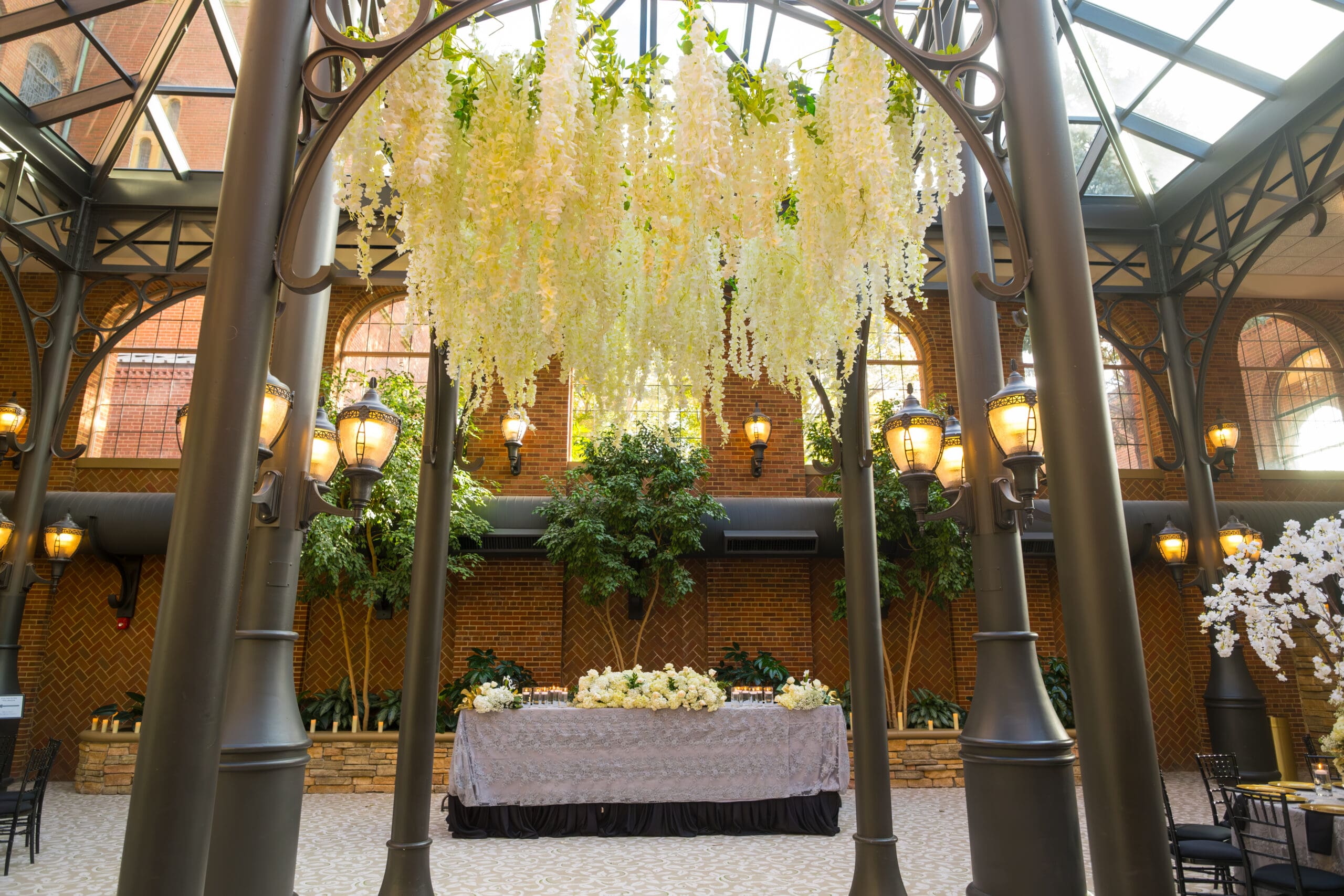
Defined by height and structure, the Atrium immediately establishes presence.
A glass ceiling filters light across iron columns and exposed brick. Stonework grounds the perimeter, while central framing creates natural depth. Elevated staircases introduce layered perspective and dimensional composition.
Because of this scale, Ray studies the room carefully before any celebration begins. He evaluates vertical lines, identifies compression points, and determines where movement will feel cohesive inside the frame. Nothing is improvised; he considers every vantage point before guests enter the space.
The Garden Pavilion
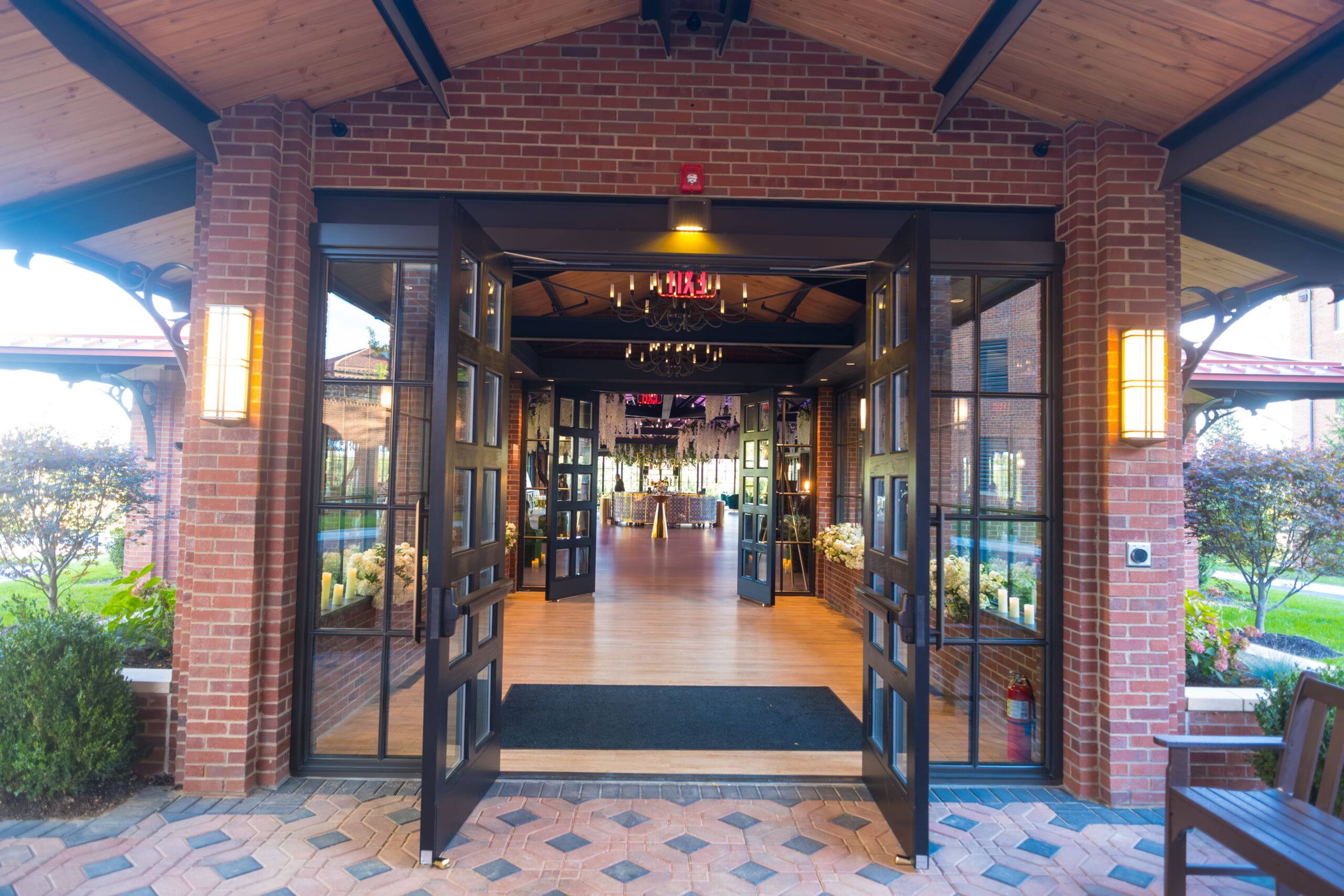
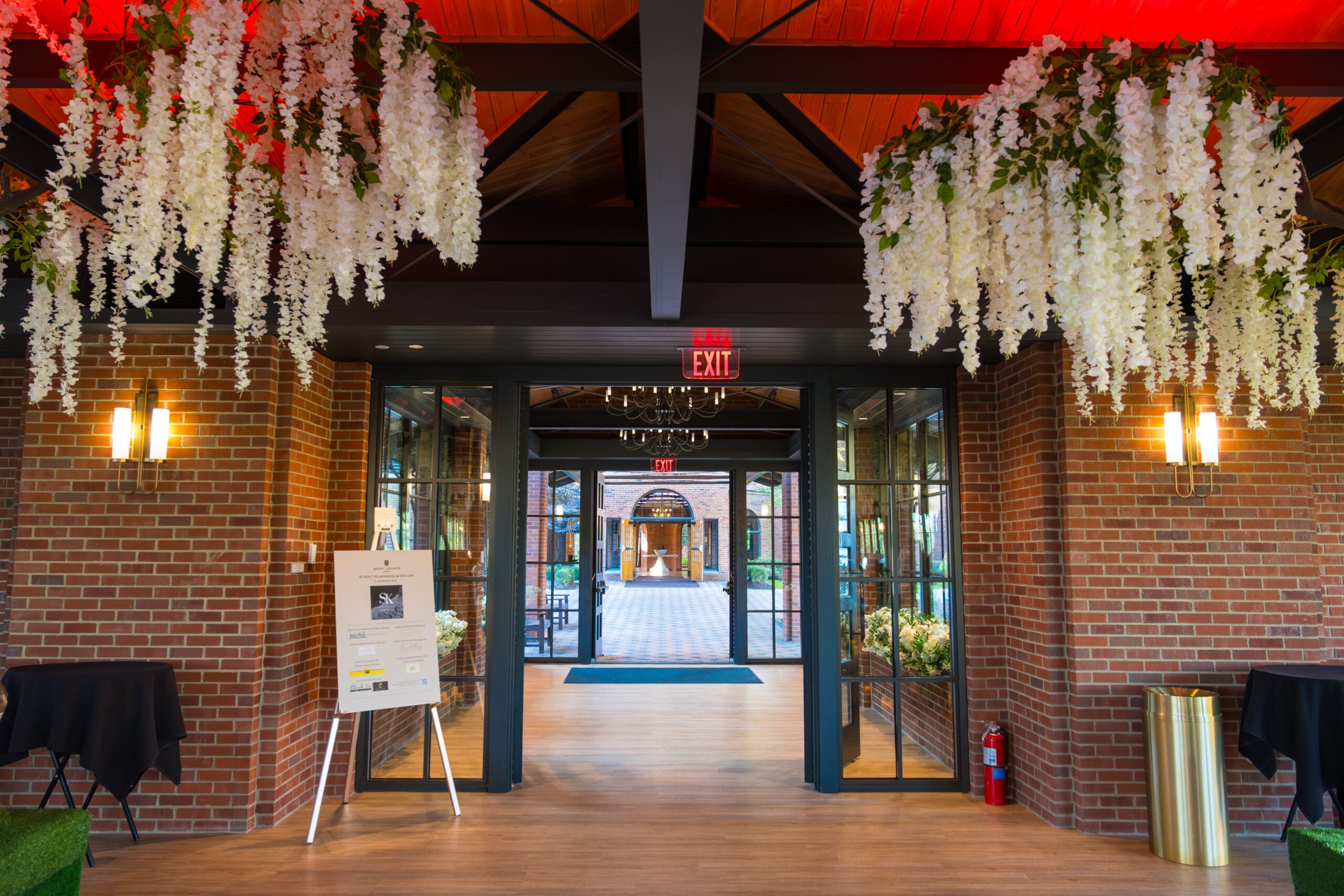
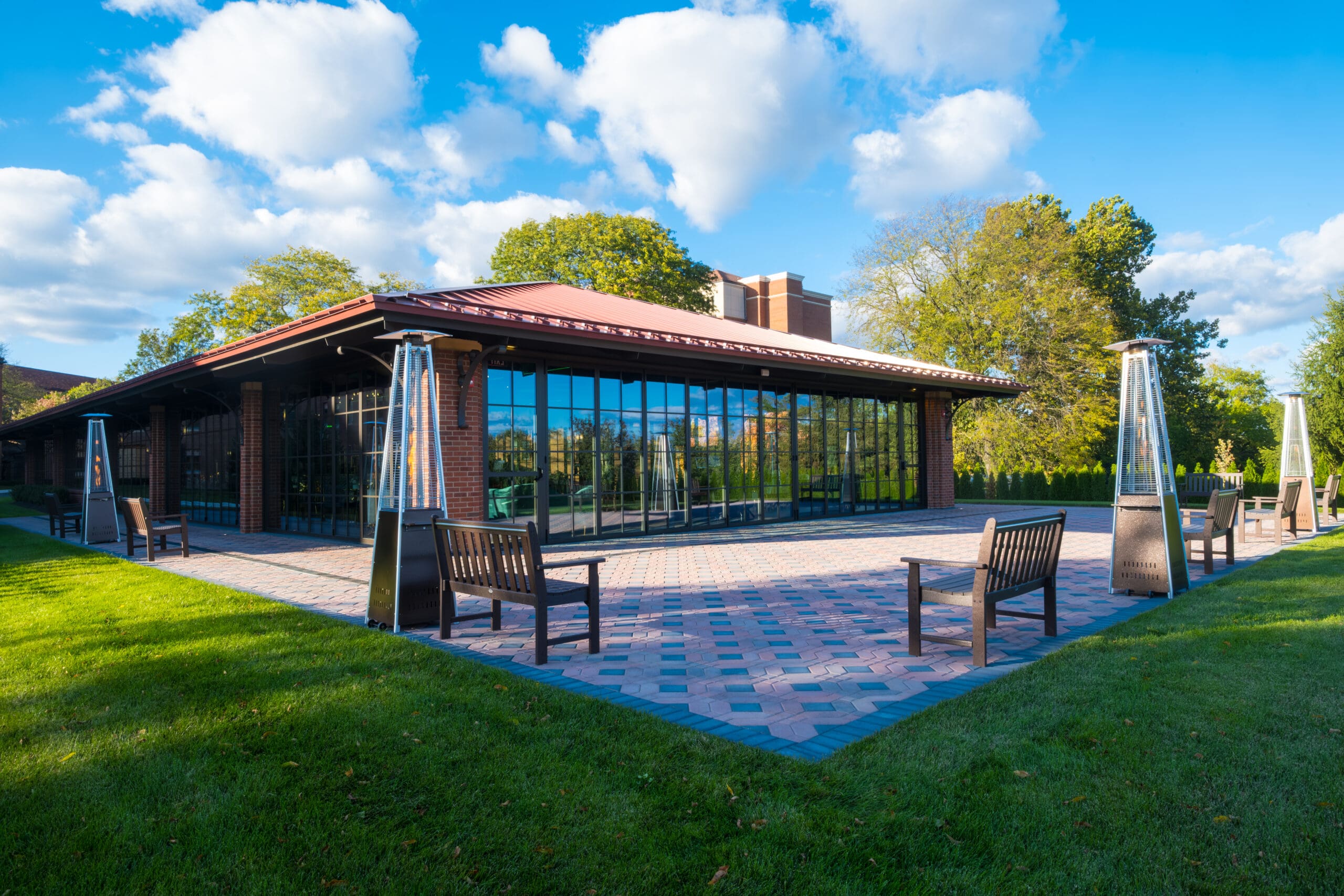
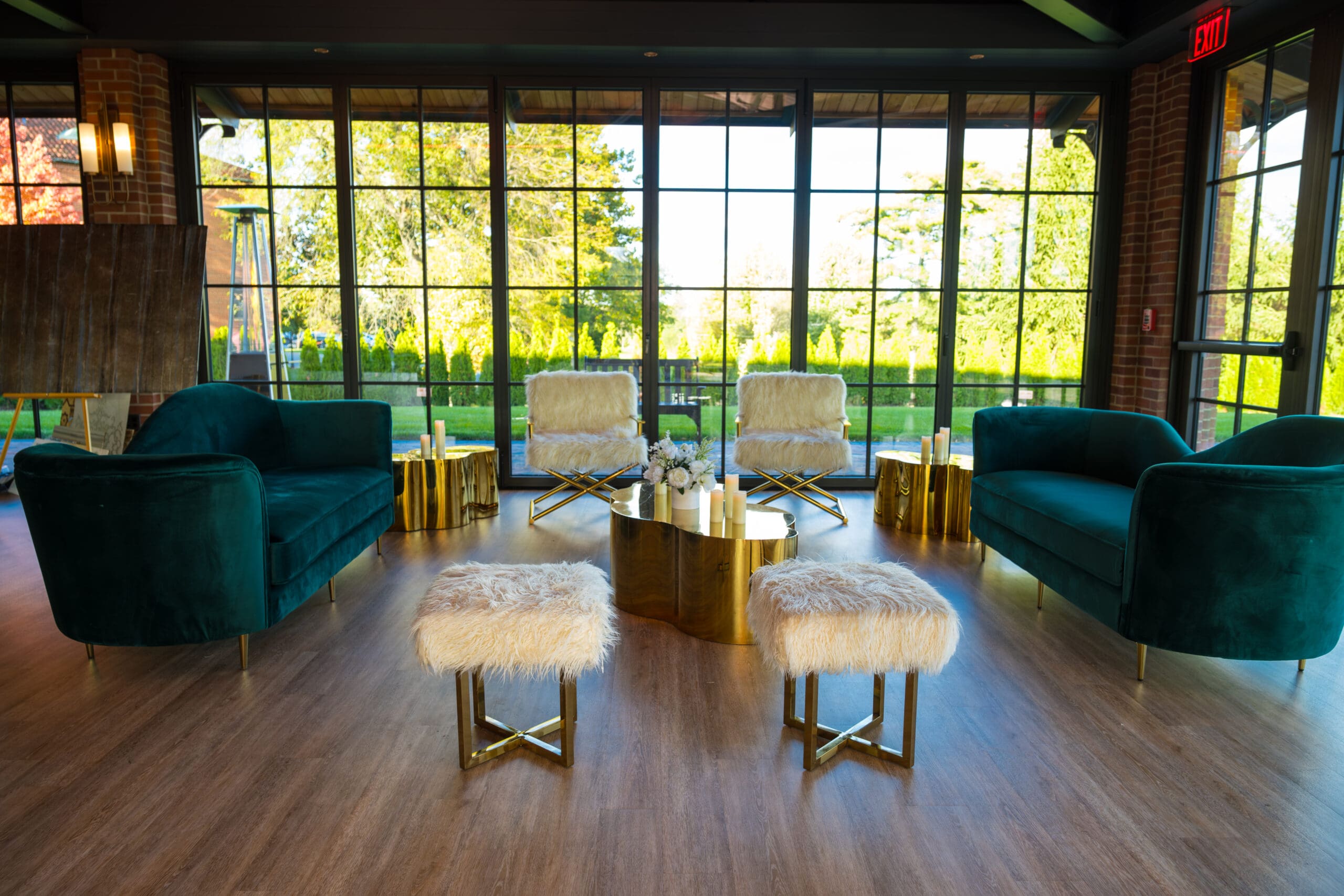
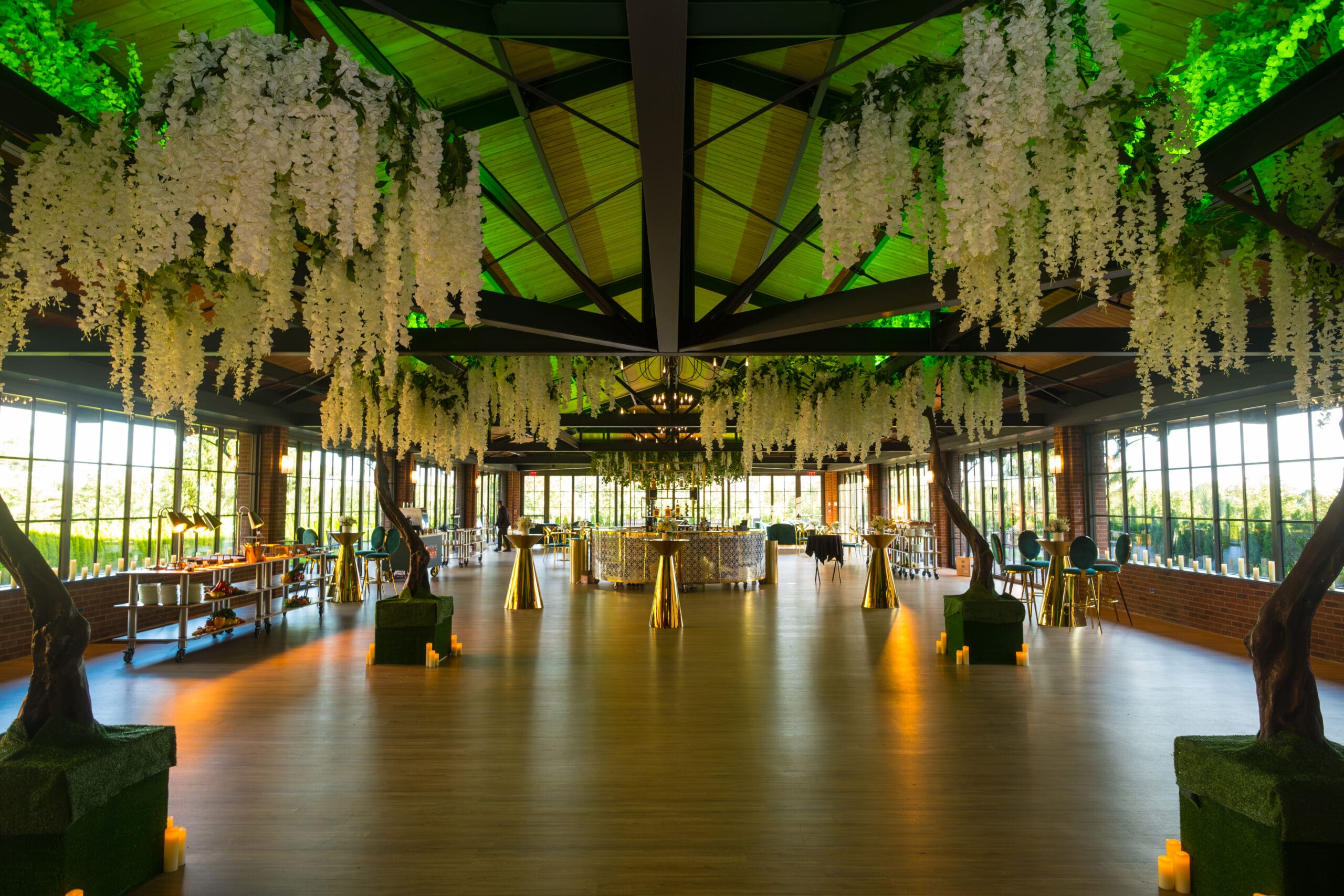
The Garden Pavilion carries a different rhythm. Its openness creates fluid transitions between ceremony and reception.
Instead of inserting himself into those transitions, Ray observes how guests circulate and how light interacts with the architecture. Through preparation, he determines where moments are most likely to unfold.
The Grand Ballroom
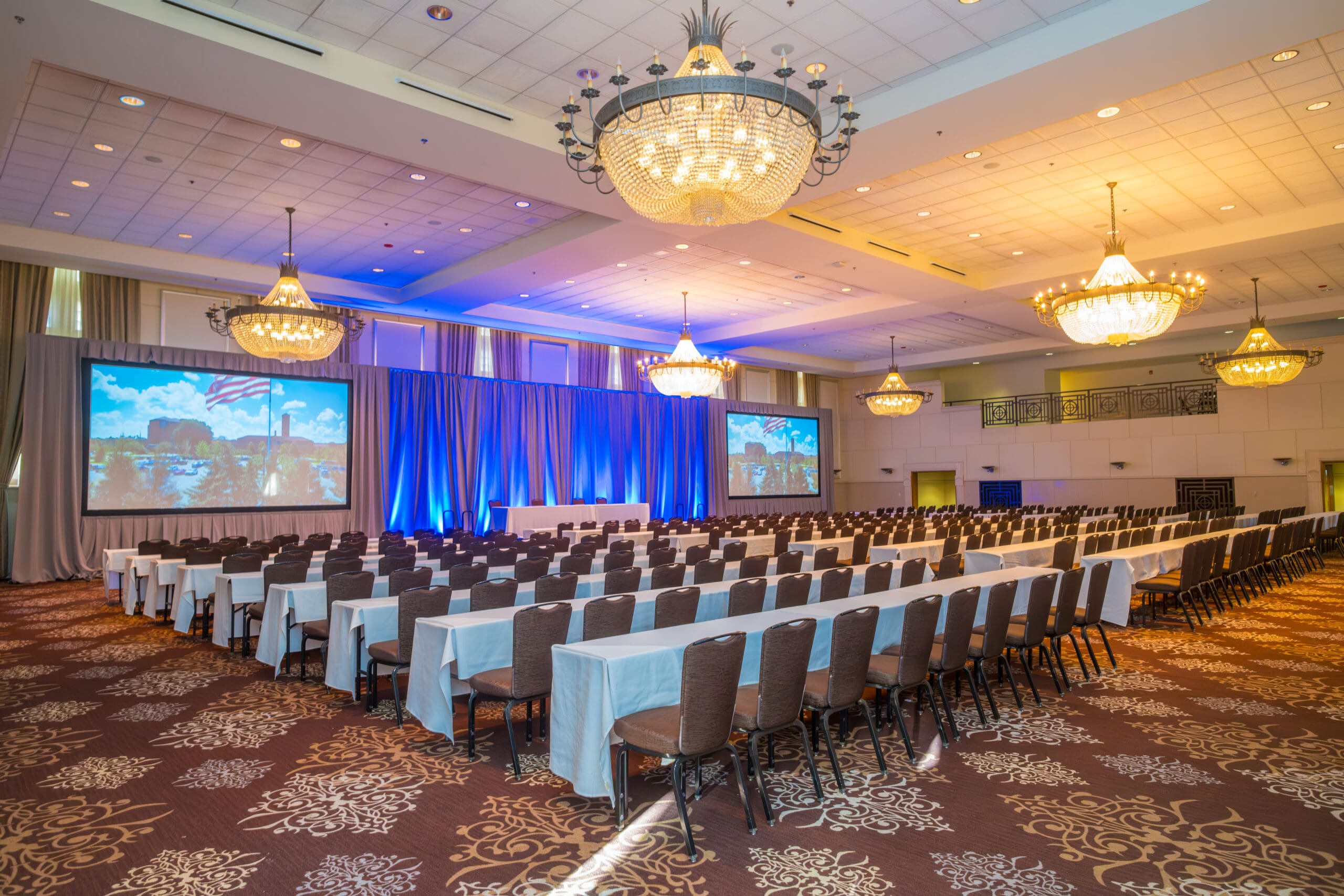
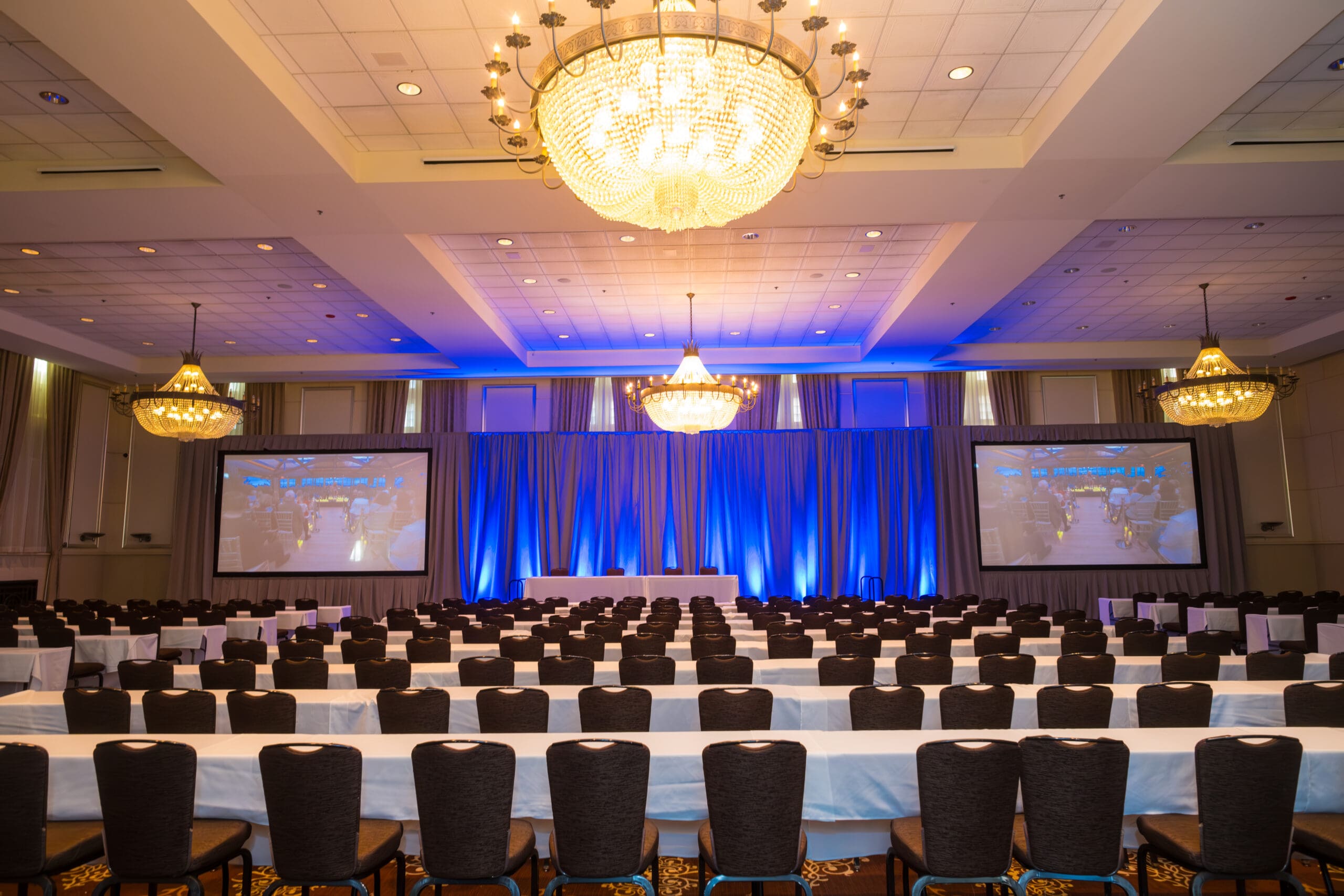
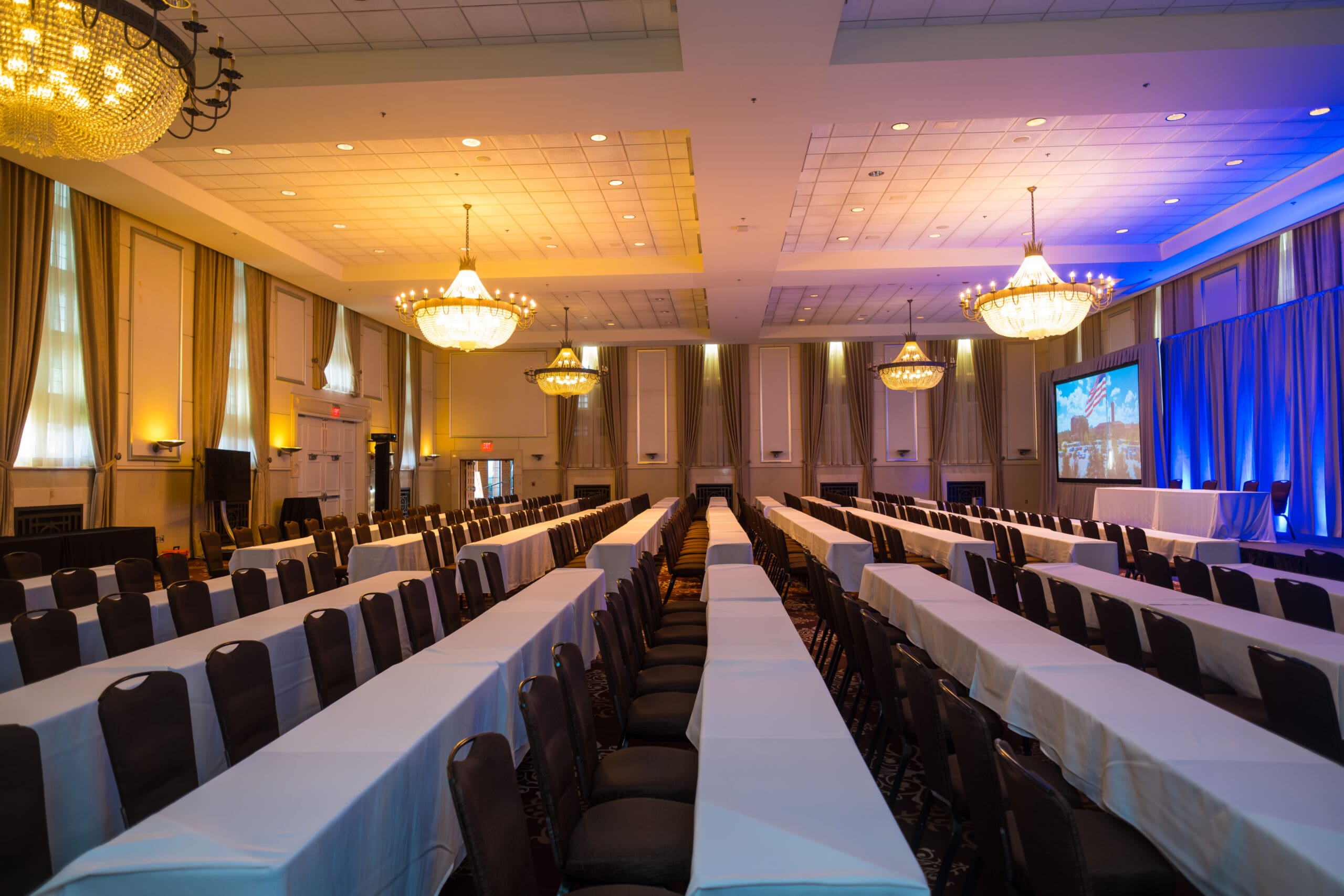
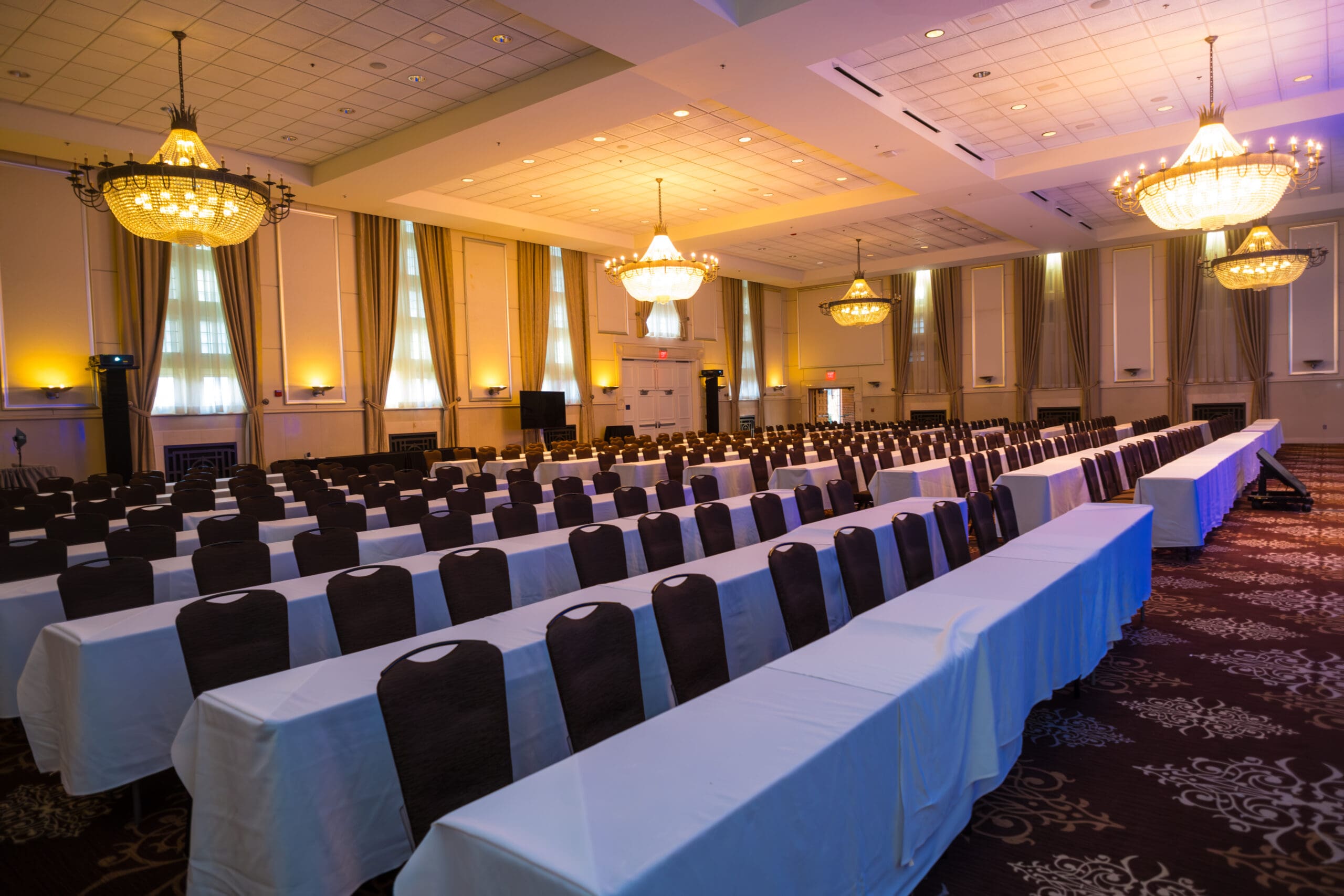
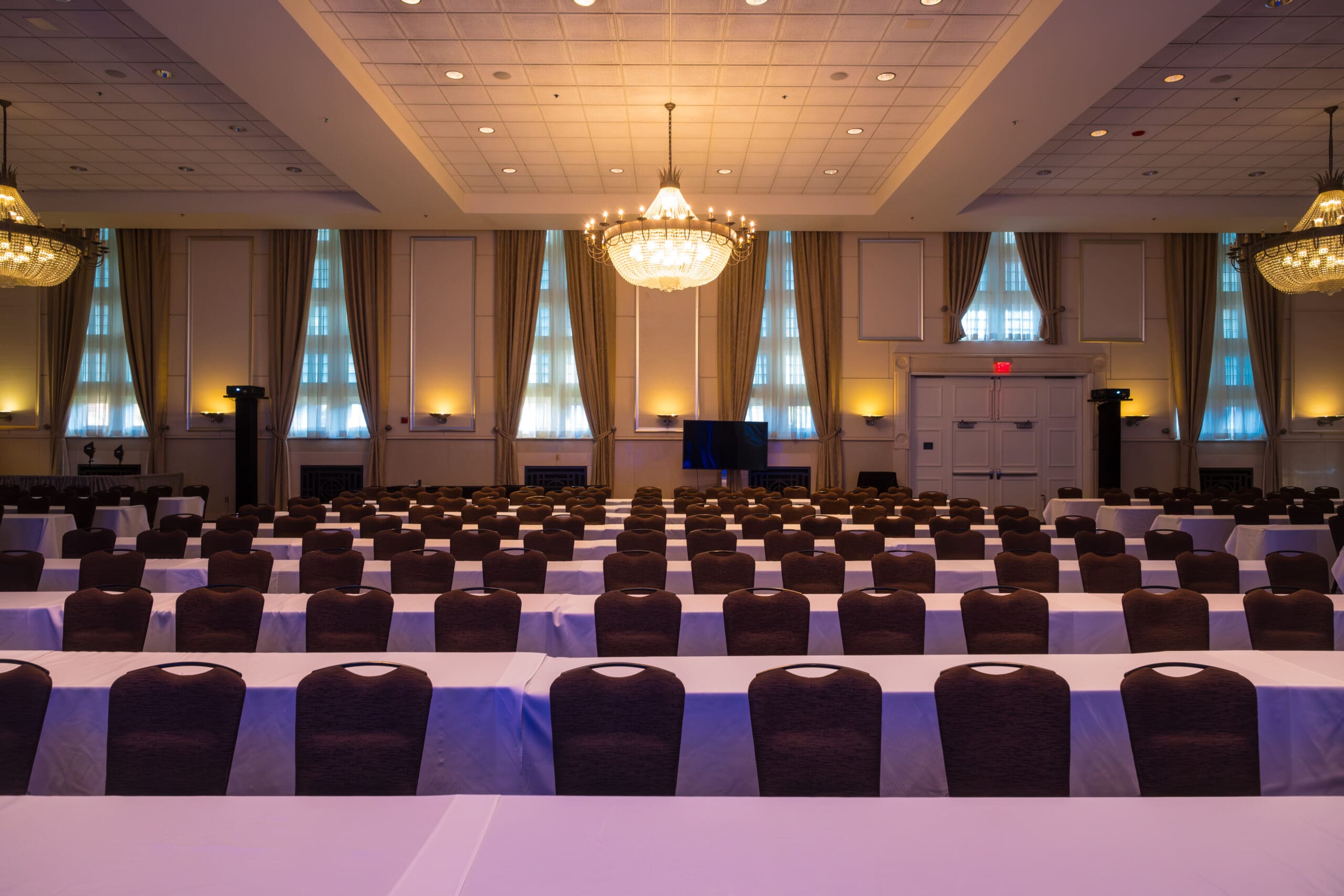
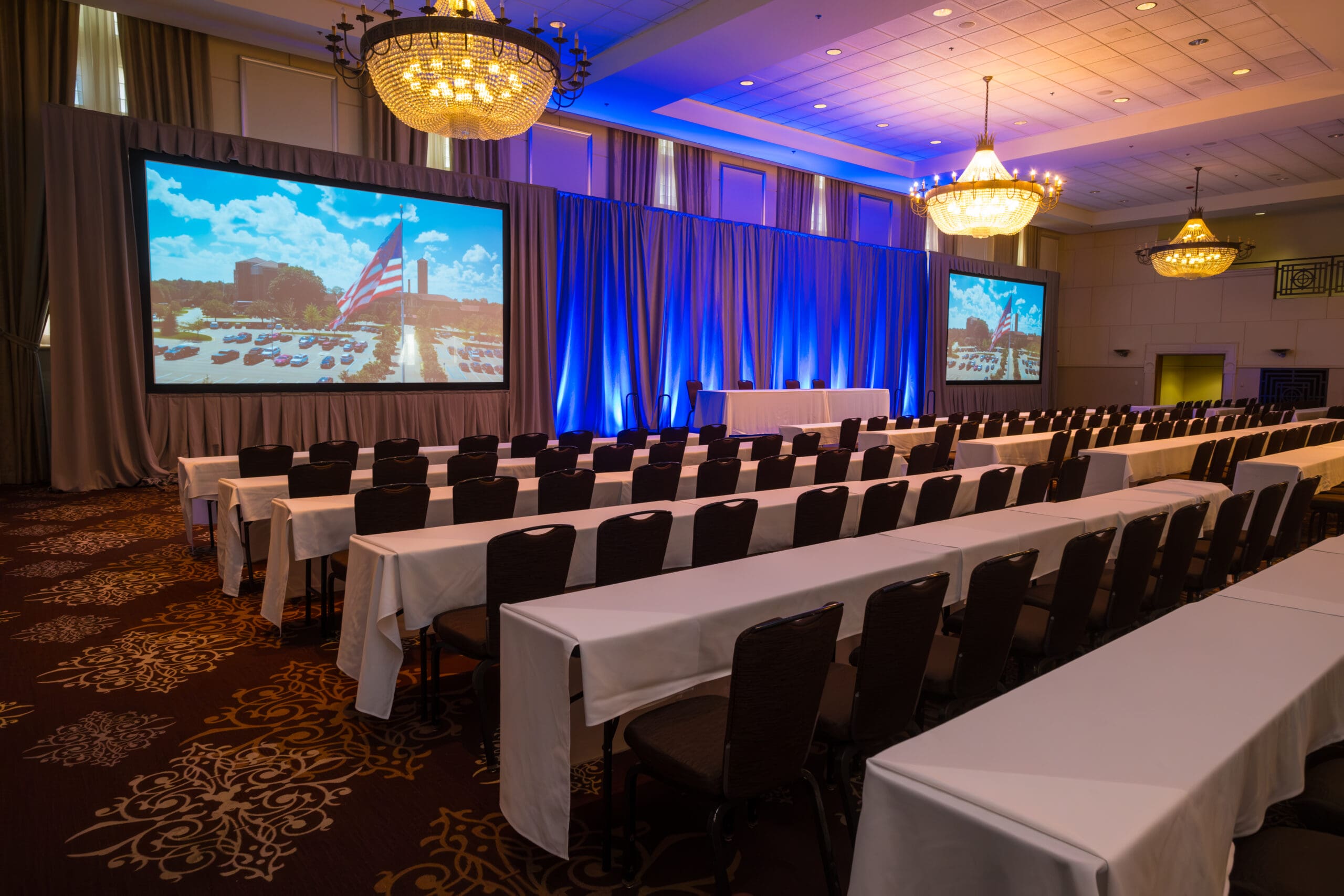
The Grand Ballroom emphasizes scale.
High ceilings and an expansive layout create an immediate presence. Because of that volume, positioning becomes critical. Without preparation, large rooms can easily flatten a story.
Ray studies elevation, symmetry, and distance well before guests enter the space. He identifies where compression creates intimacy and where width preserves grandeur. Rather than moving constantly, he establishes his position where moments naturally surface.
The Mosaic Ballroom
The Mosaic Ballroom introduces intricate architectural detail.
Patterns, textures, and refined design elements shape the atmosphere of the room. Instead of allowing those details to distract from the celebration, Ray incorporates them intentionally into the composition.
He studies how light interacts with surfaces and how framing highlights structure without overpowering the subjects. As a result, the room becomes part of the narrative rather than a backdrop.
The Provincial Ballroom
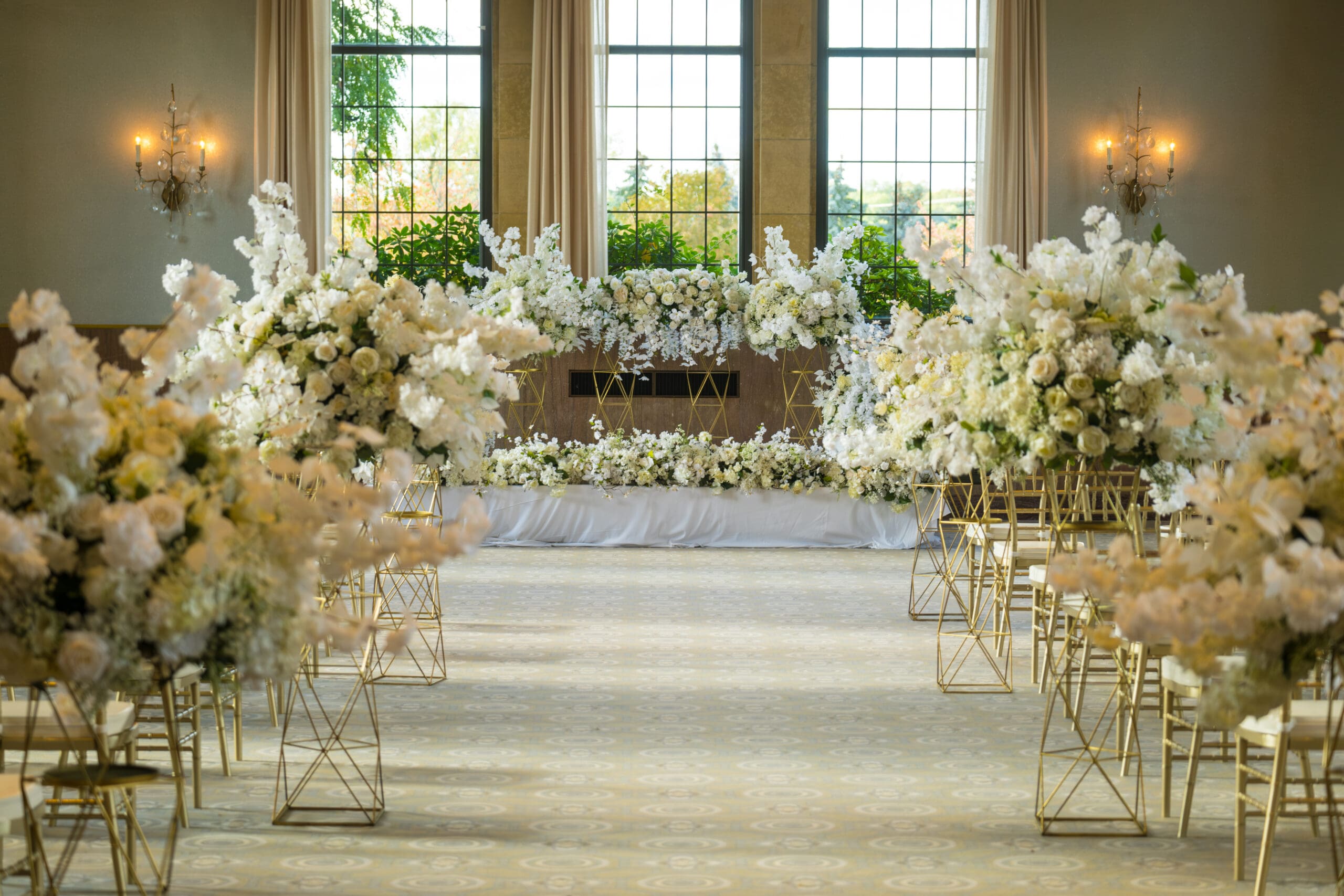
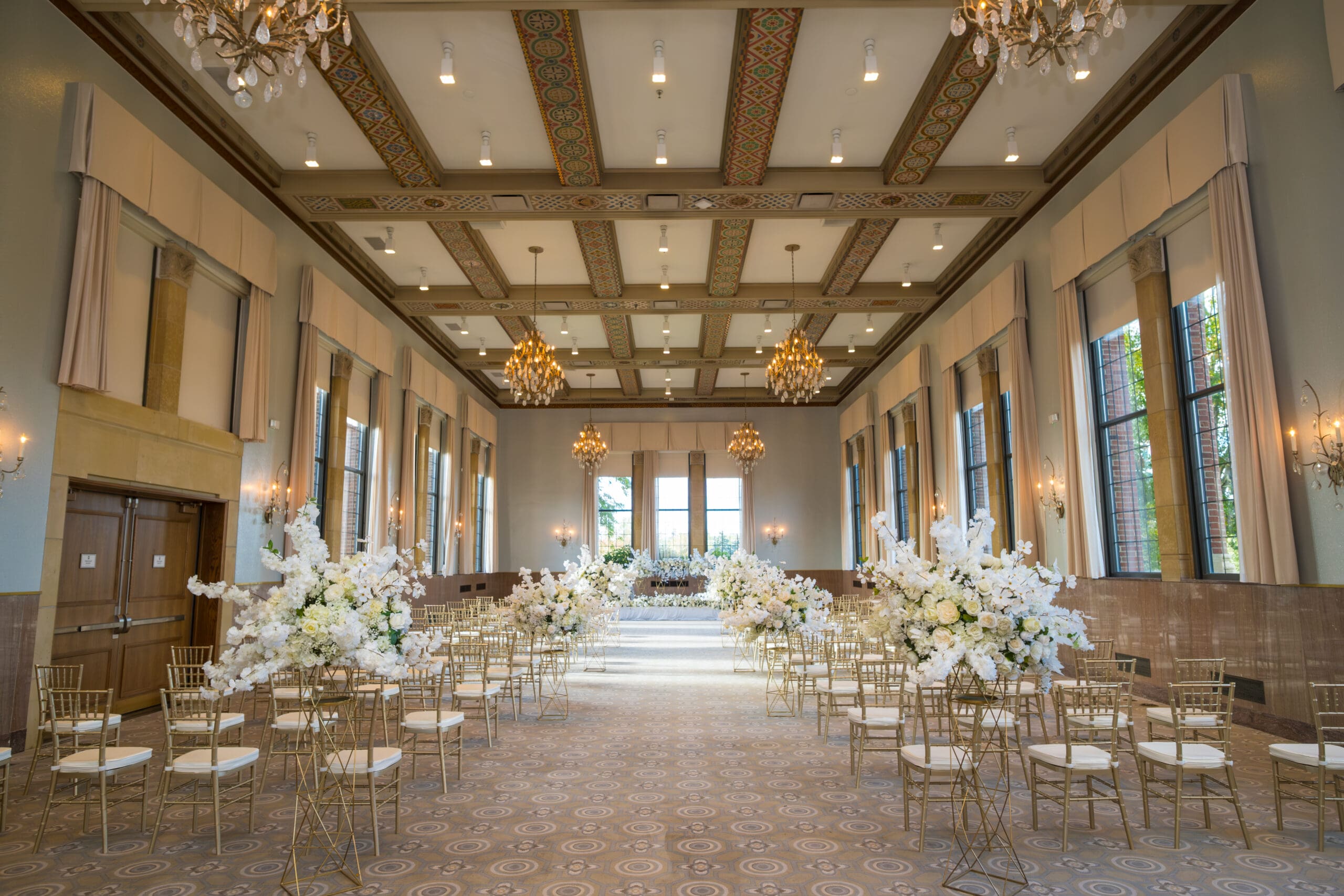
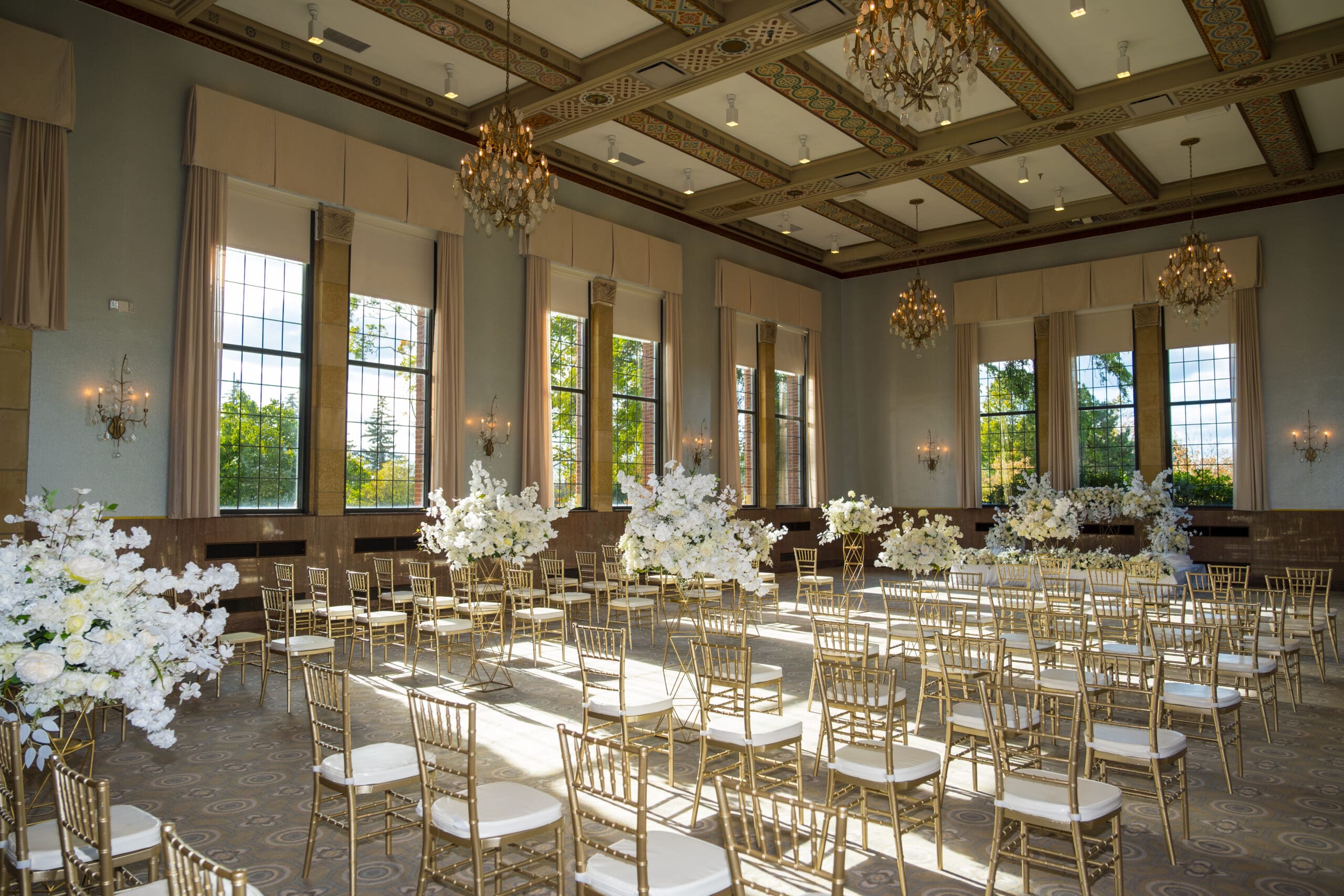
The Provincial Ballroom offers intimacy within volume.
Although spacious, the design allows for a closer visual experience when approached thoughtfully. Ray determines sightlines early, ensuring that emotion remains central even within a large architectural setting.
By anticipating movement instead of reacting to it, he preserves both scale and connection.
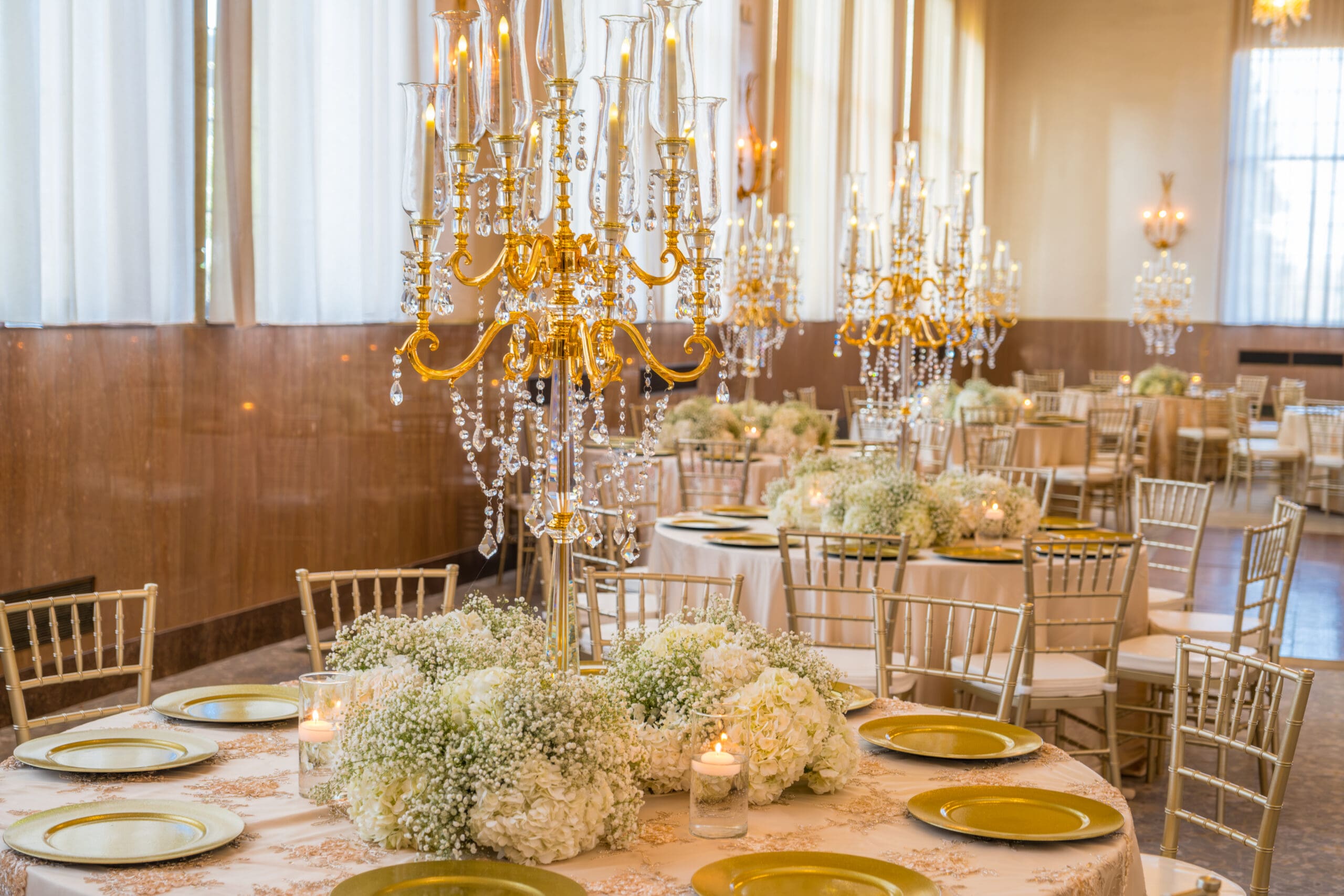
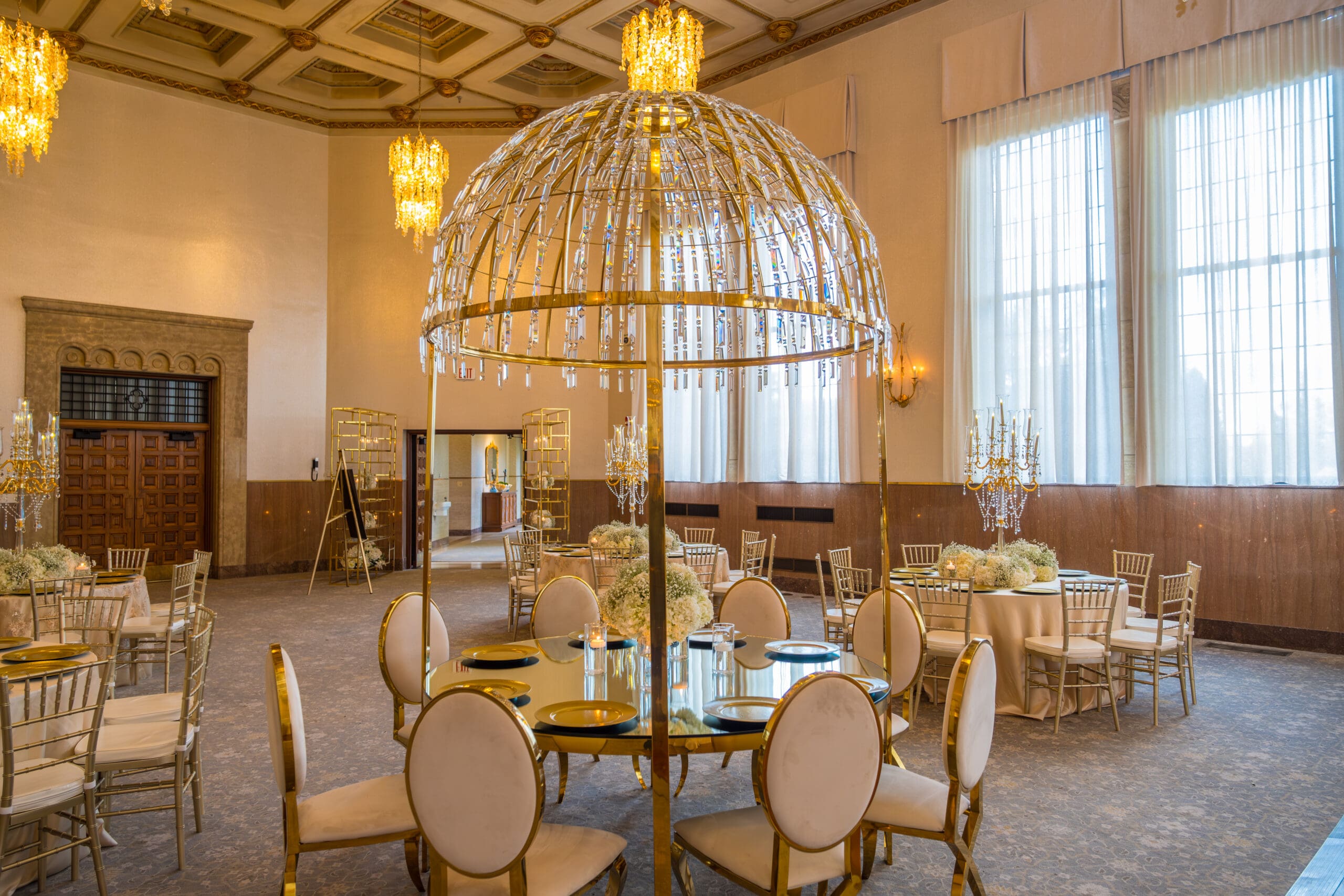
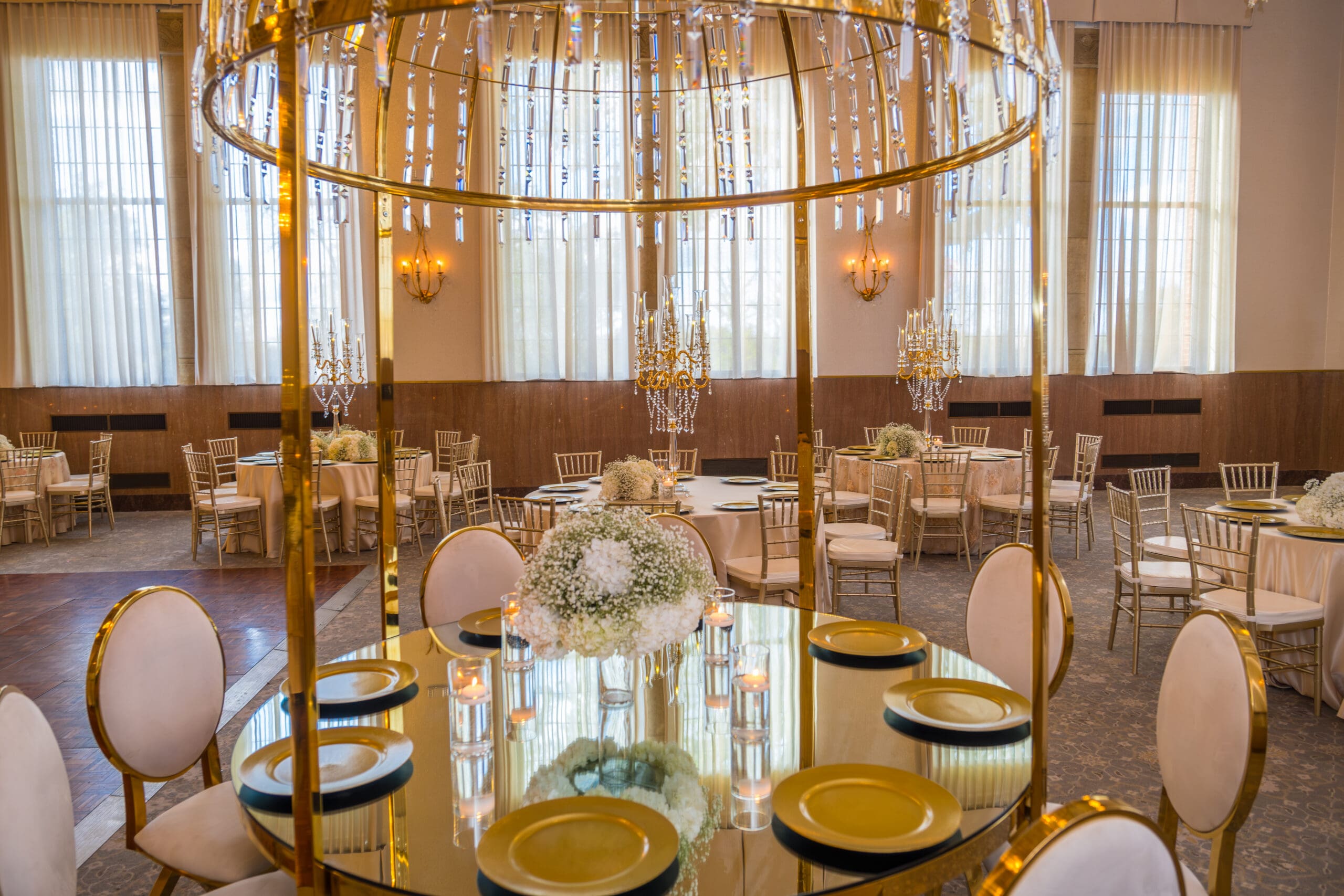
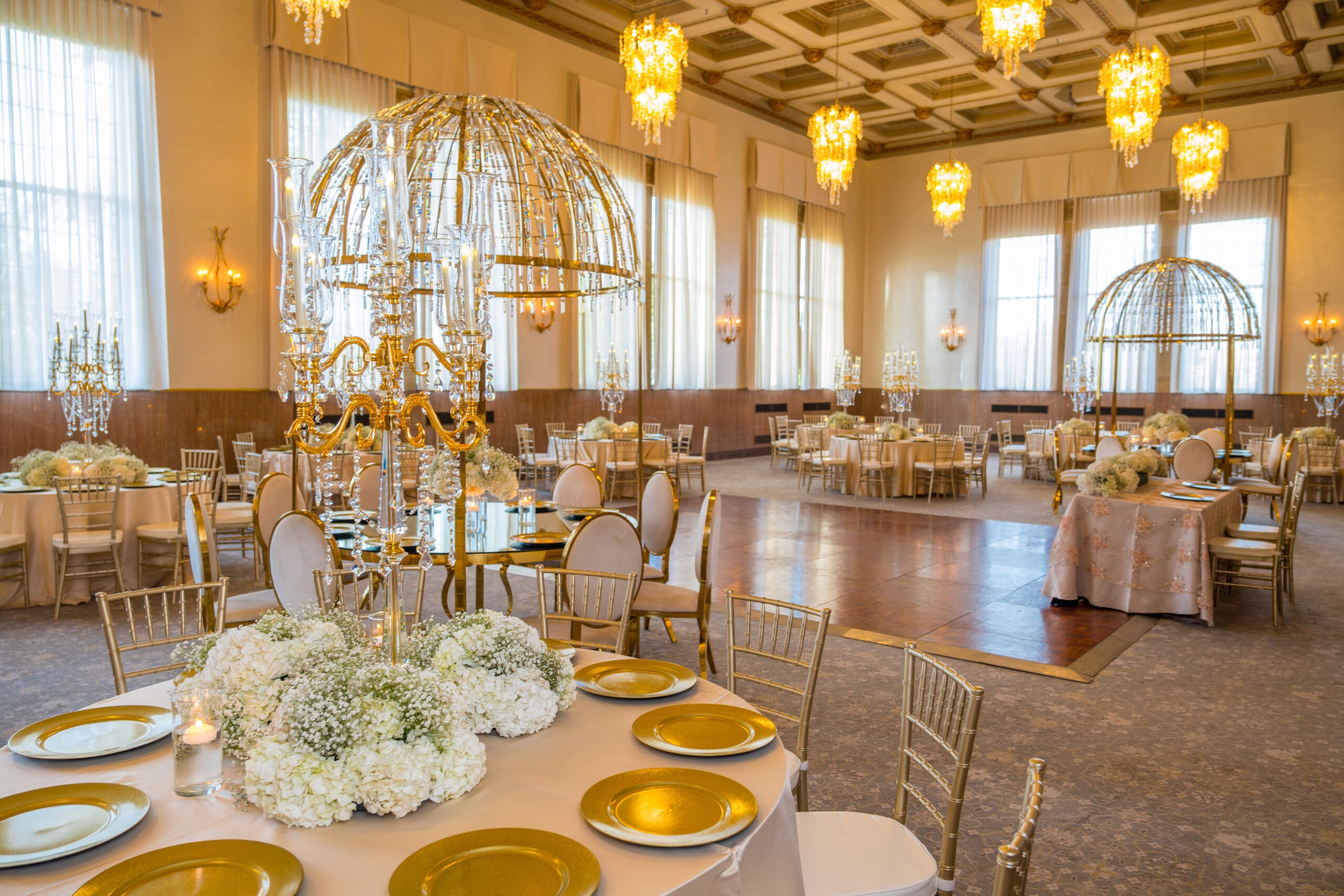
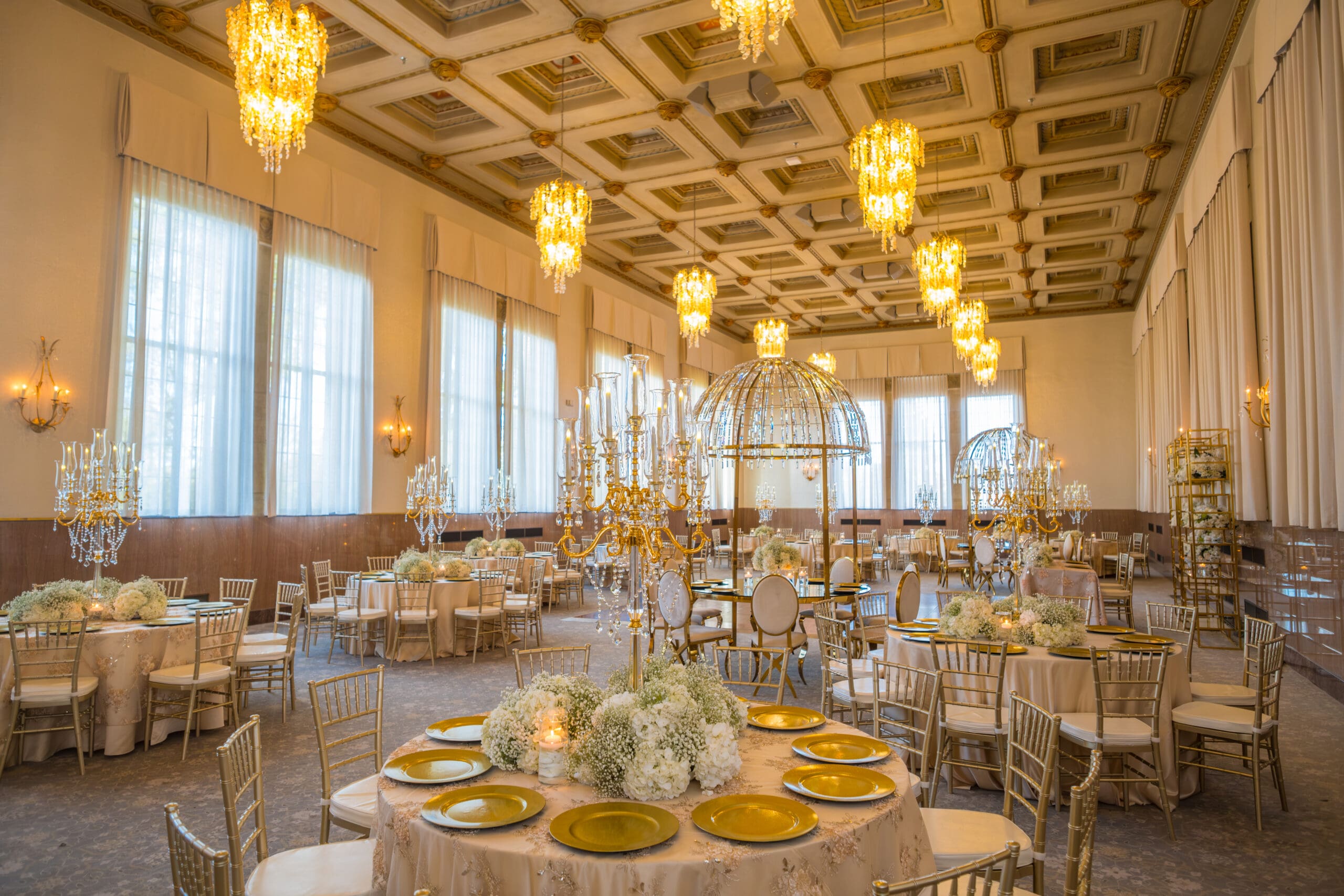
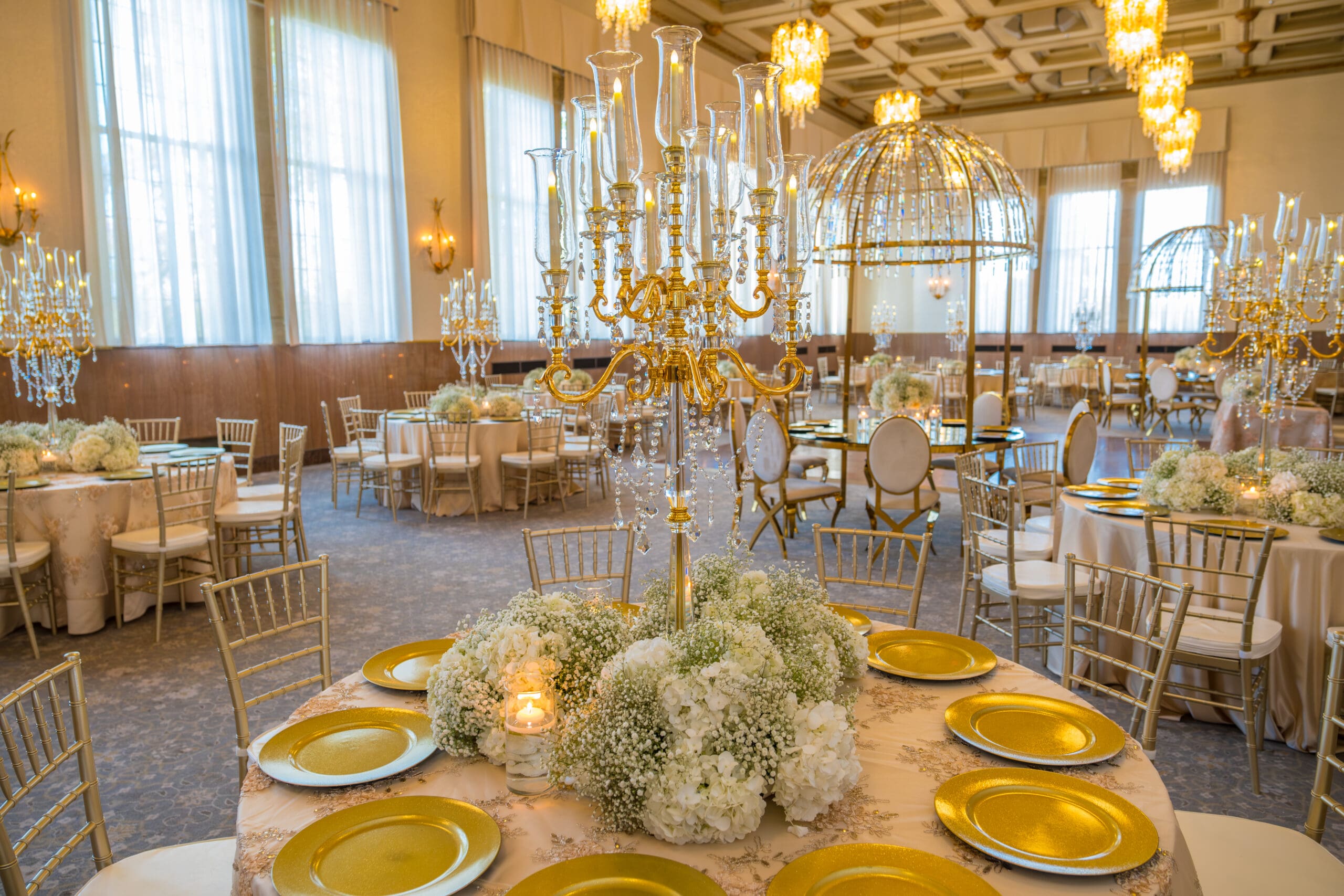
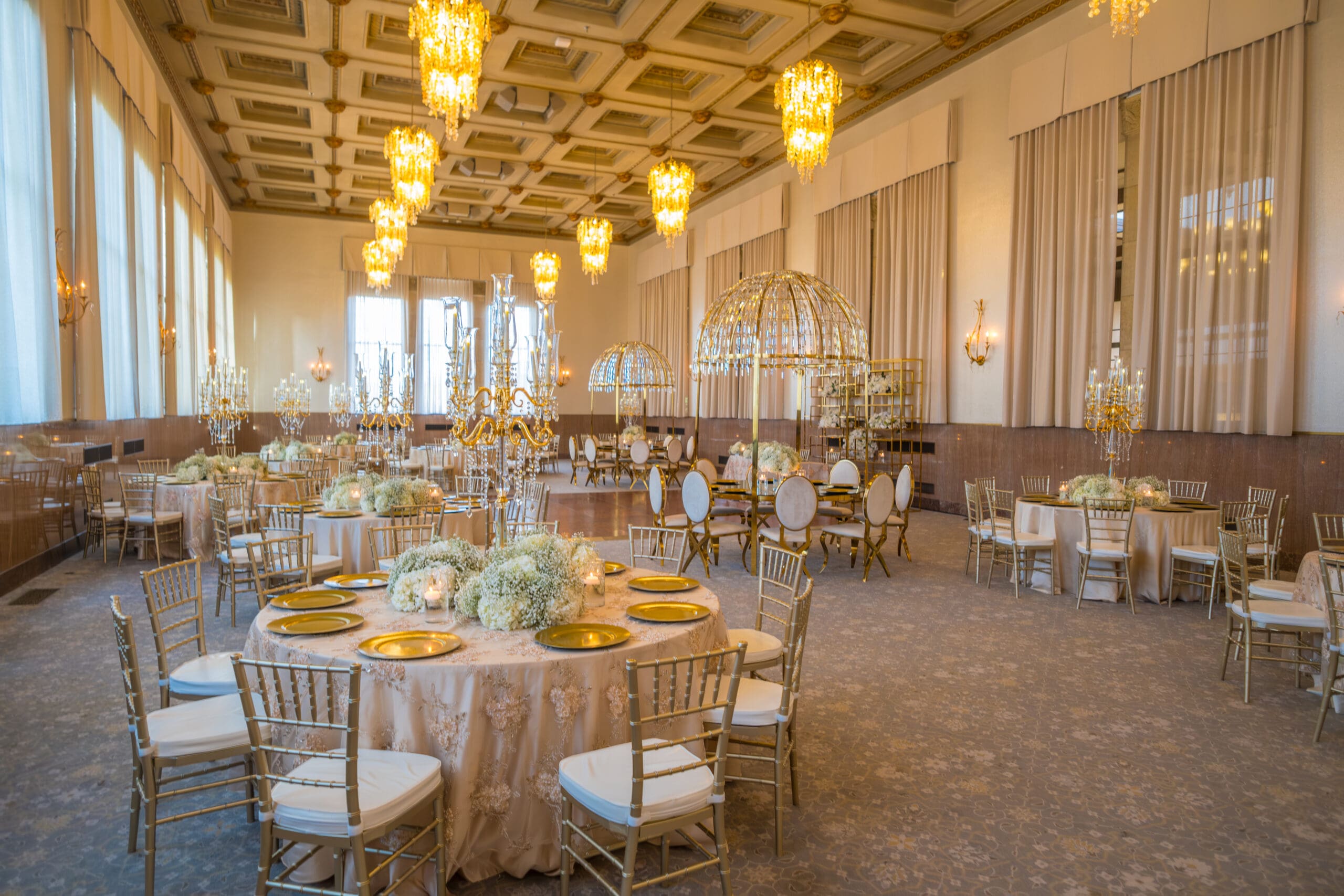
The Monarch Ballroom
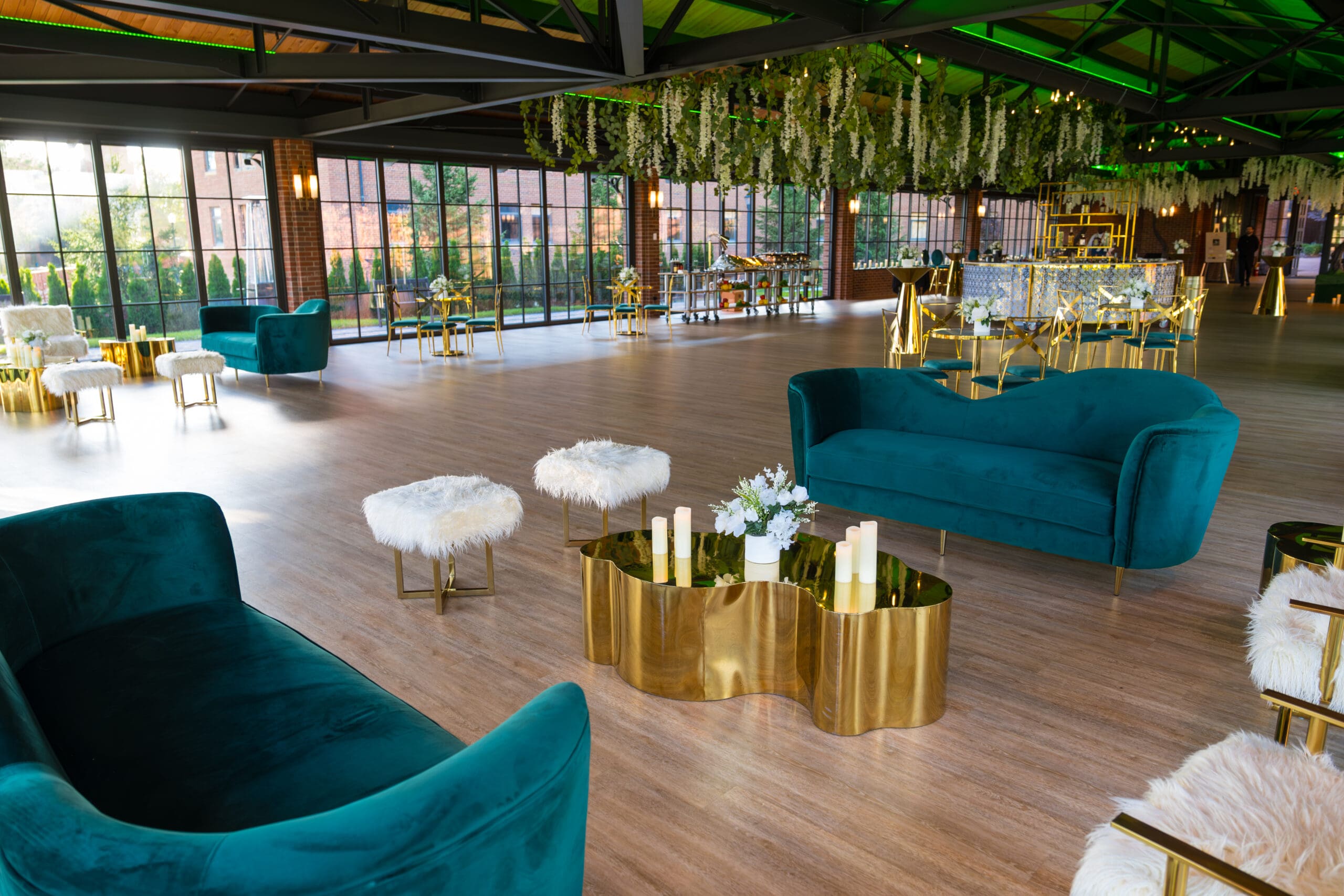
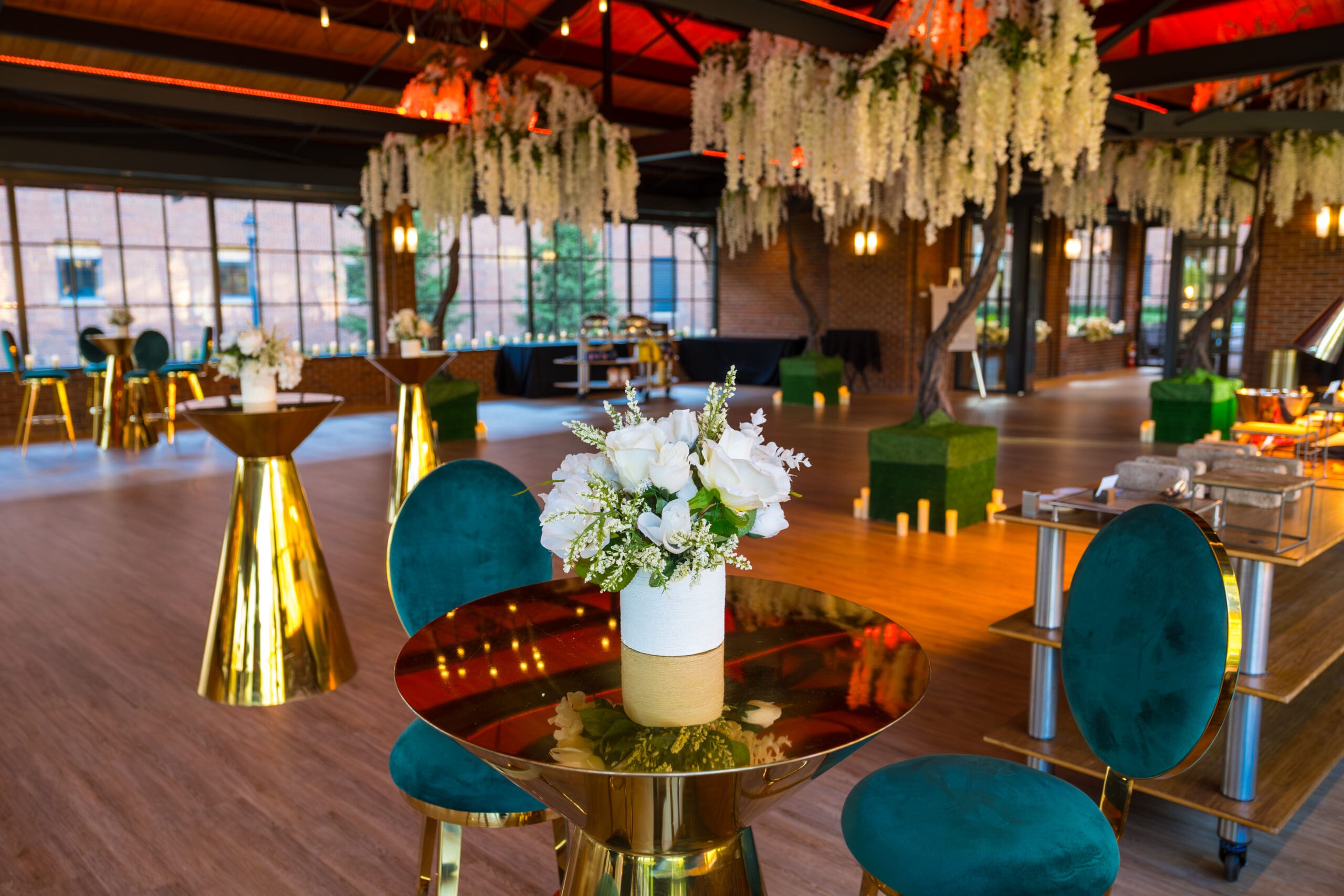
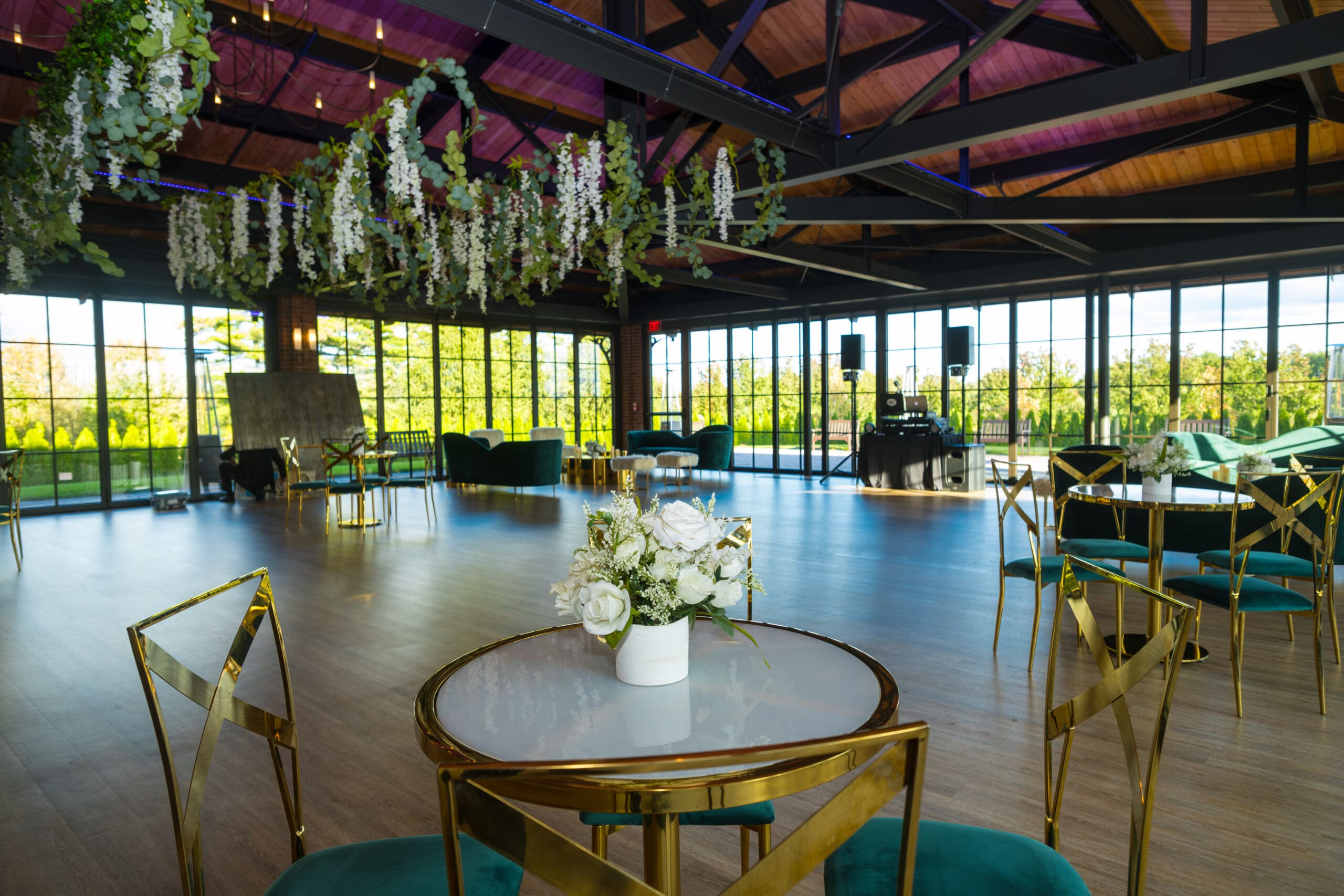
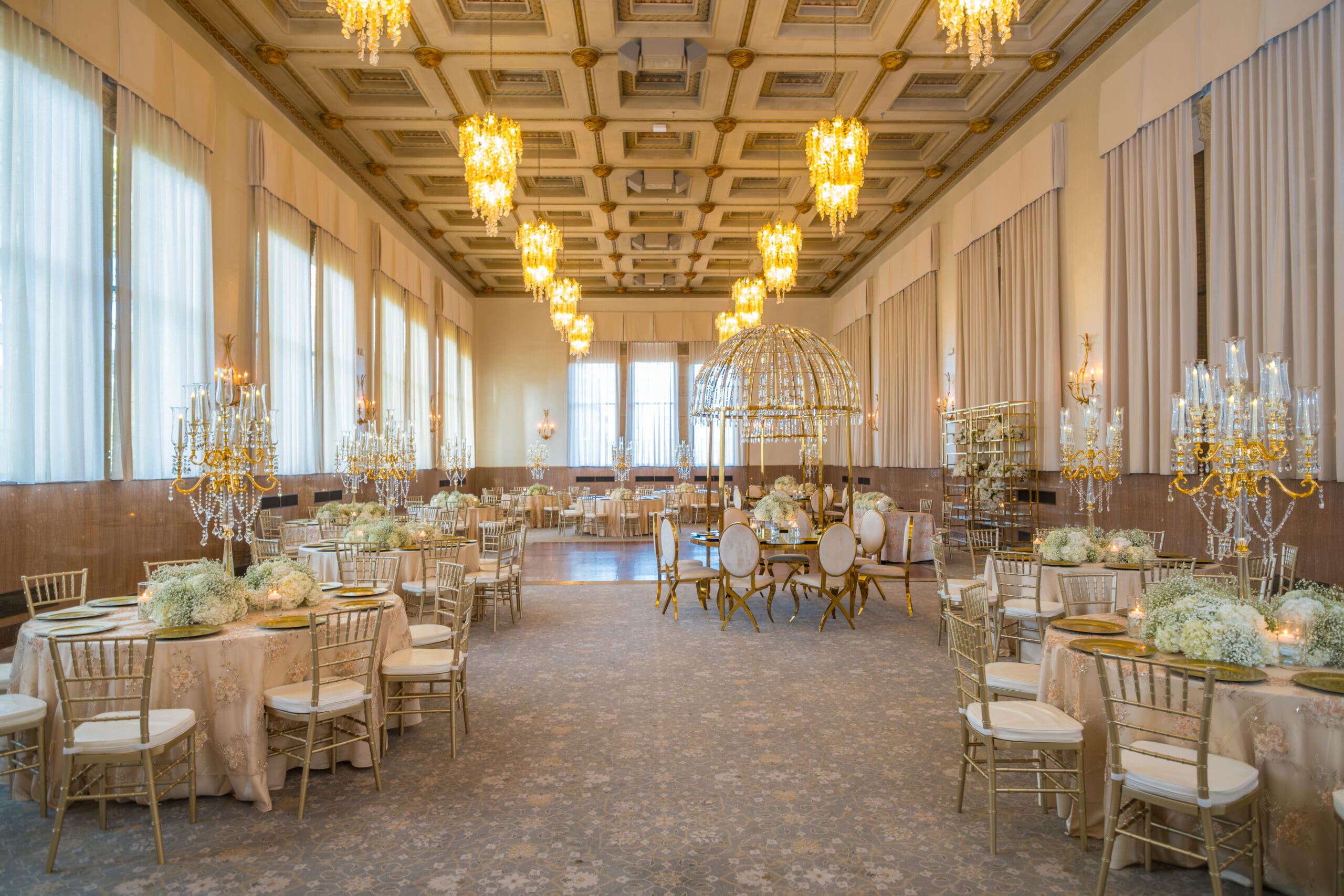
The Monarch is the newest addition to Saint John’s Resort. Designed to expand the venue’s event capabilities, it introduces another architectural option for couples planning their celebration.
As Saint John’s Resort weddings continue to evolve, the Monarch represents the venue’s ongoing refinement. Like every ballroom on the property, its structure and light require careful study before a wedding day begins.
Portraits during Saint John’s Resort weddings
Portraits are planned well in advance and executed at a defined time, typically immediately following the ceremony, unless the couple decides to dThis structure allows Saint John’s Resort weddings to continue without interruption once portraits conclude.
After that scheduled time, documentary coverage resumes fully. Couples remain immersed in their celebration without repeated pull-aways, staged reactions, or unnecessary direction.
The goal is simple: remove photography as a concern entirely.
A documentary approach to Saint John’s Resort weddings
Some photographers take a more guided approach, while others focus on documenting moments as they naturally unfold, like Ray Anthony Photography. Ray stays in the background so the story develops without interference.
Blending into the wedding like a guest keeps his presence unobtrusive. Rather than reacting, he anticipates. Light and structure are studied before emotion surfaces within them.
That approach is not for everyone.
It is designed for couples who value presence over performance — those who want to experience Saint Johns Resort weddings fully, without interruption or awareness of the camera.
The venue provides the architecture. The couple provides the story.
Ray Anthony Photography preserves both quietly and intentionally.


LEAVE A COMMENT
Comments