
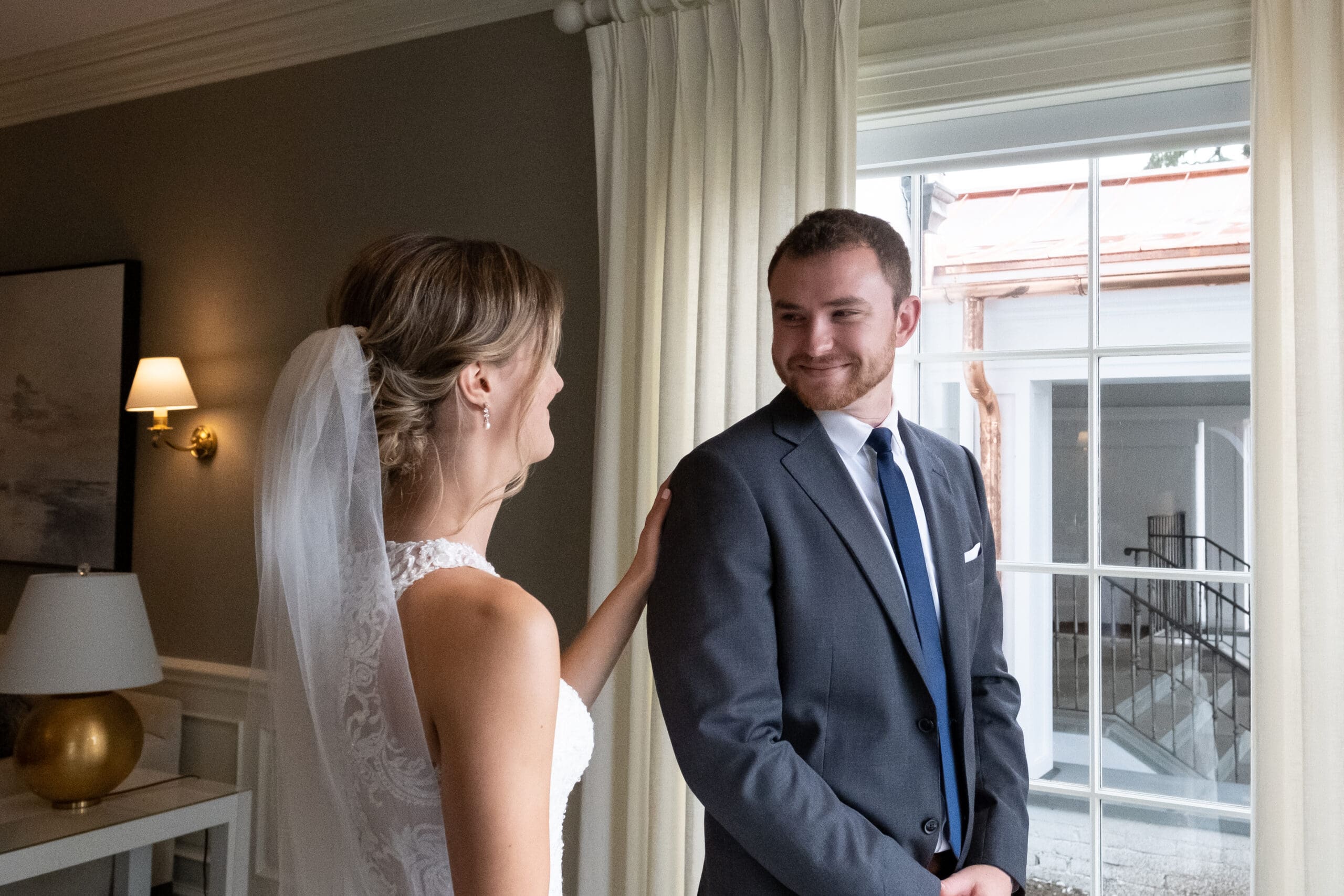
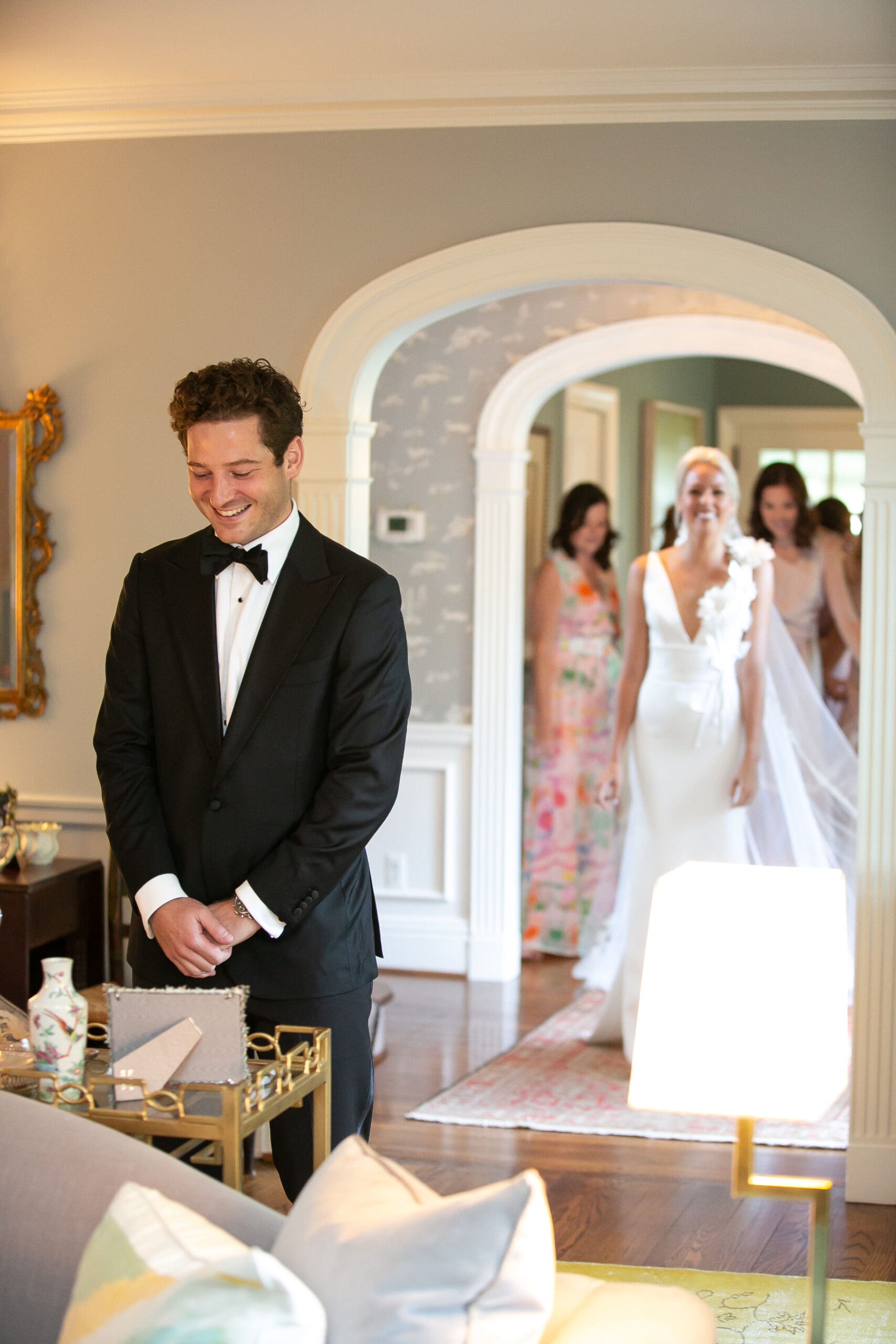
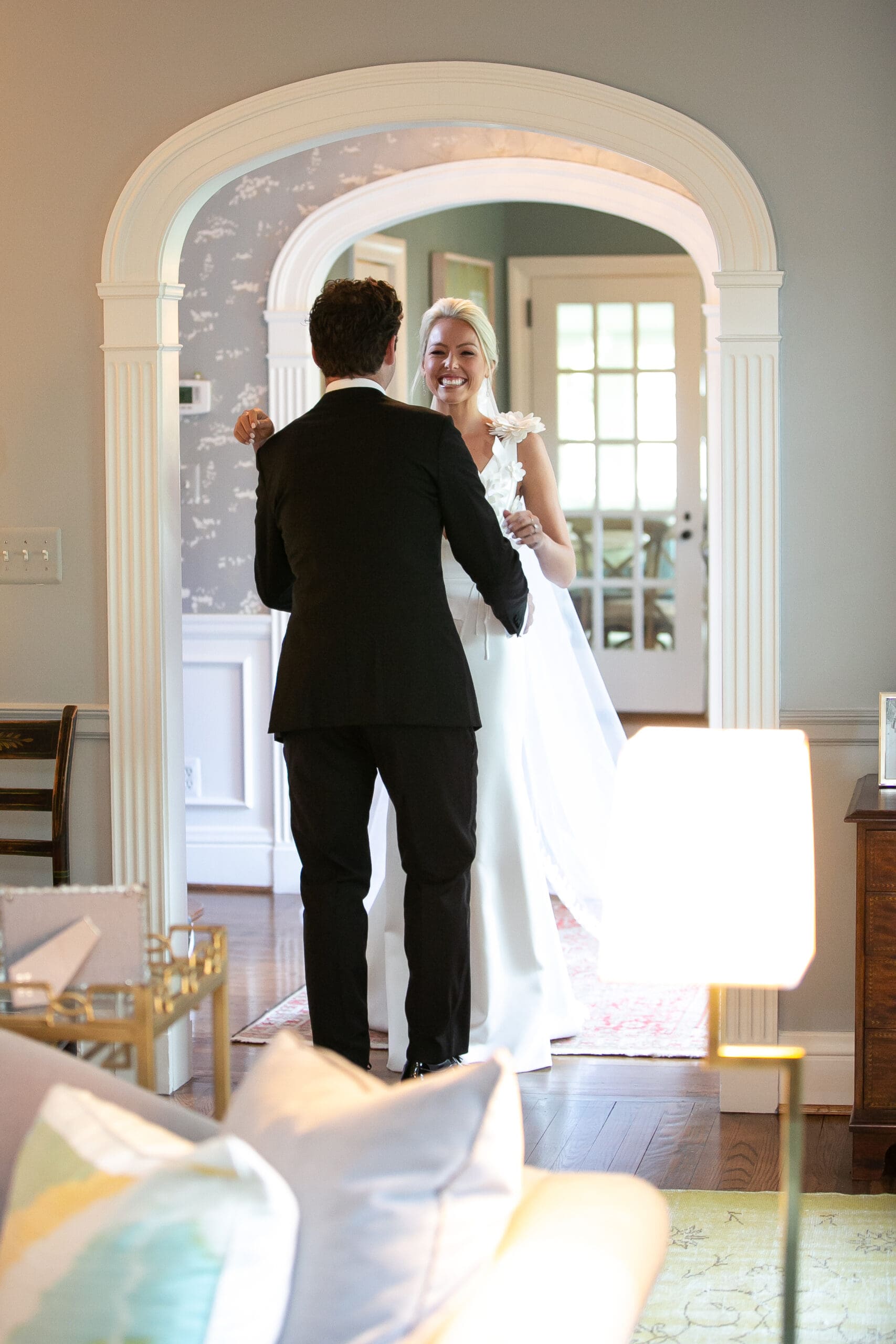
A first look wedding day decision changes how the structure of a wedding unfolds. It does not increase emotion, and it does not reduce meaning. Instead, it redistributes time within the day.
Some couples prefer to see each other for the first time during the ceremony, while others choose to meet privately beforehand. Both approaches work. However, a first look wedding day schedule affects pacing, portrait timing, and how the celebration transitions from one segment to the next.
Because of that, the decision deserves practical consideration.
How a First Look Wedding Day Reshapes the Timeline
Without a first look, portraits typically happen after the ceremony. Depending on the season and guest count, that window can feel compressed.
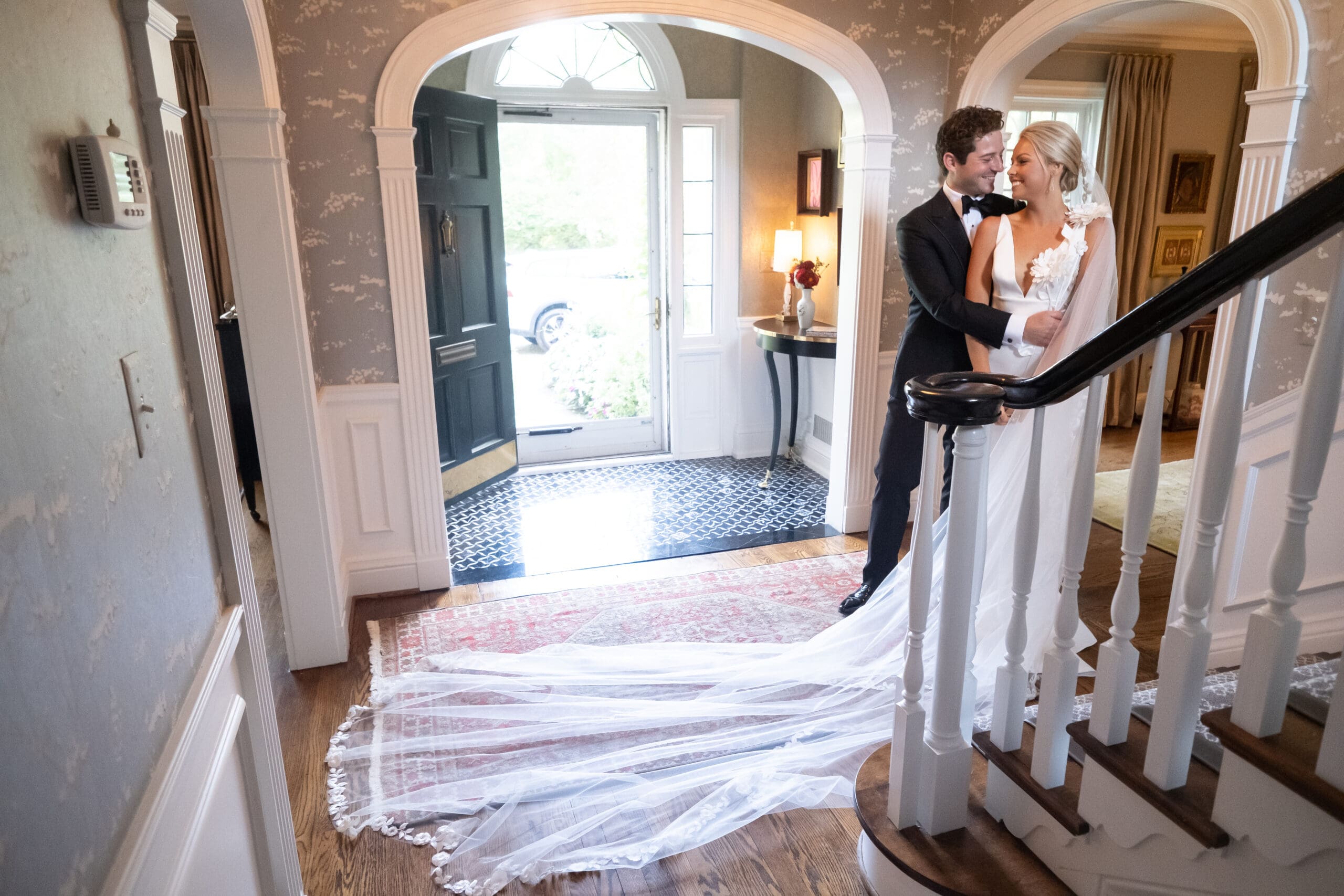
When couples schedule a first look earlier, portraits can begin before guests arrive. As a result, the time between the ceremony and the reception often feels more open. Instead of stepping away immediately after the ceremony, couples move directly into celebration.
This shift changes structure, not sentiment.
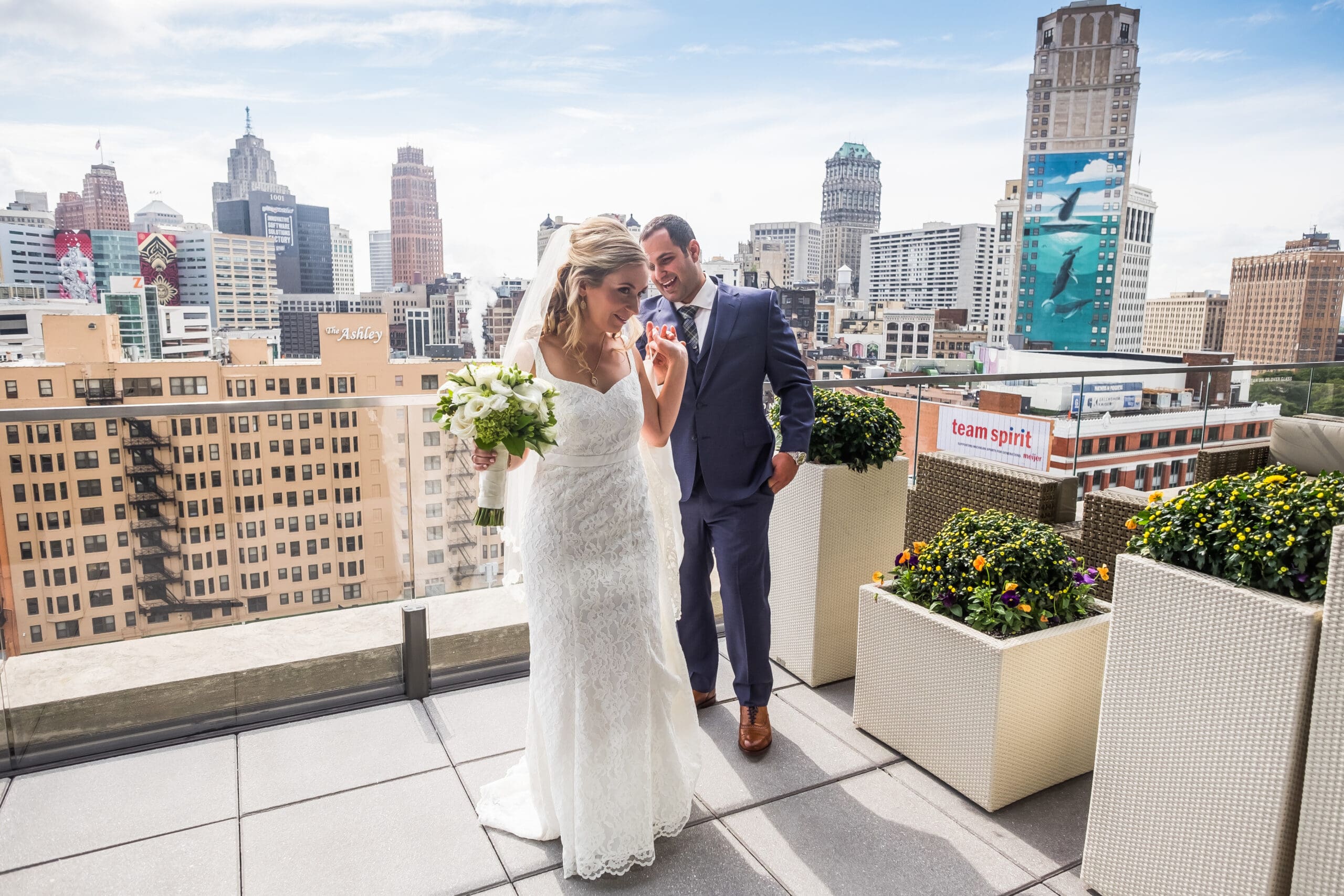
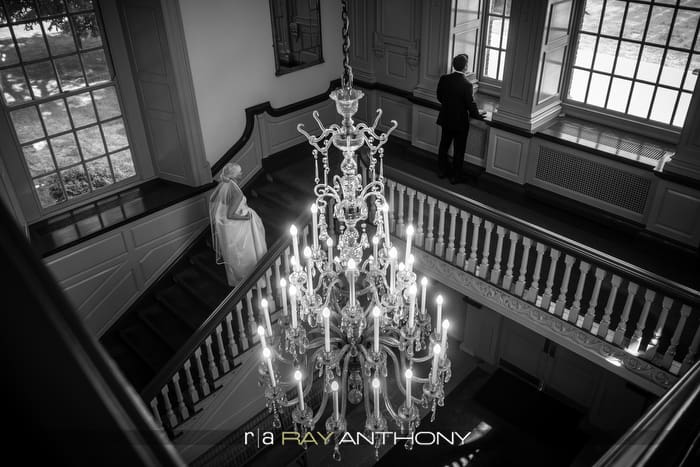
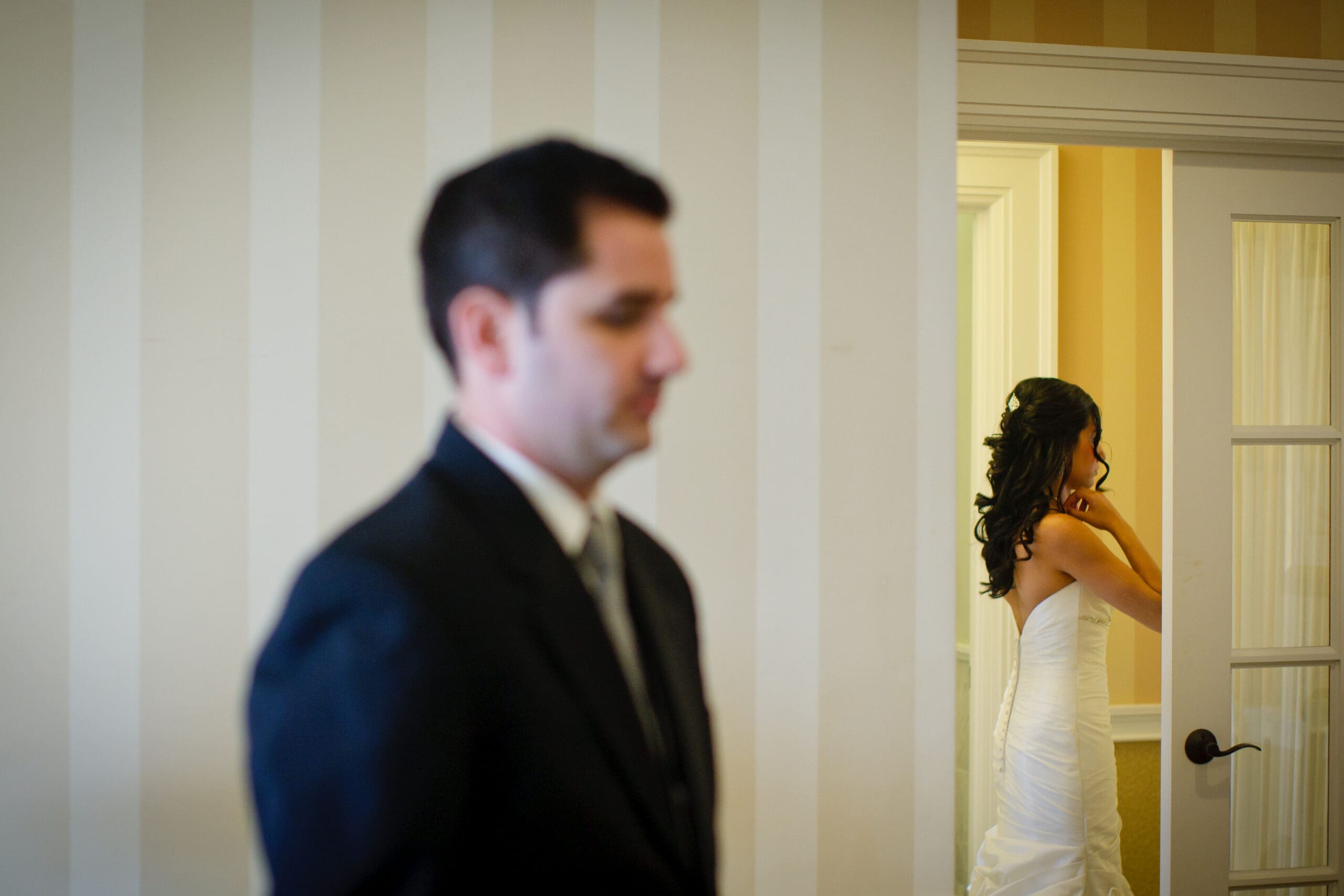
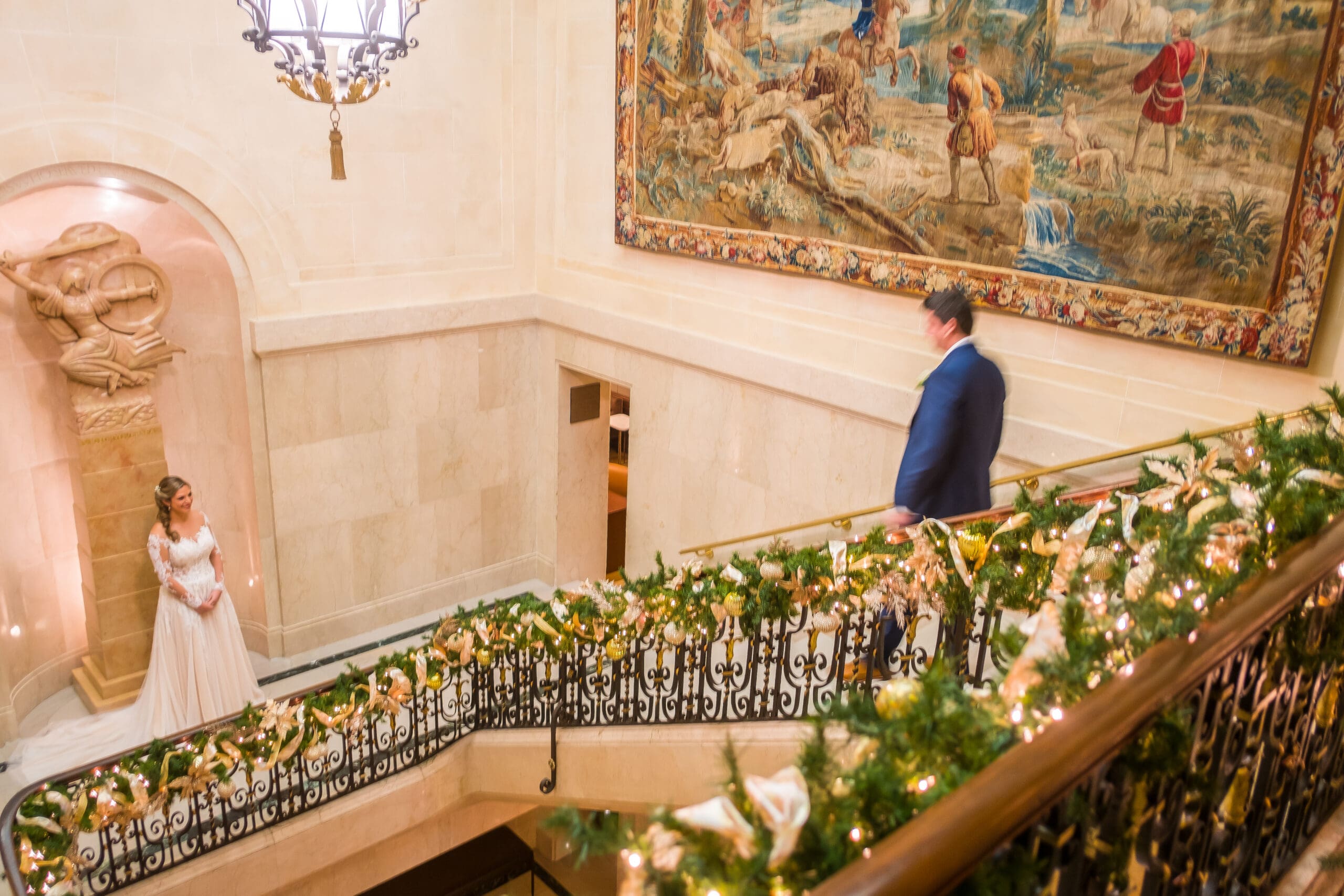
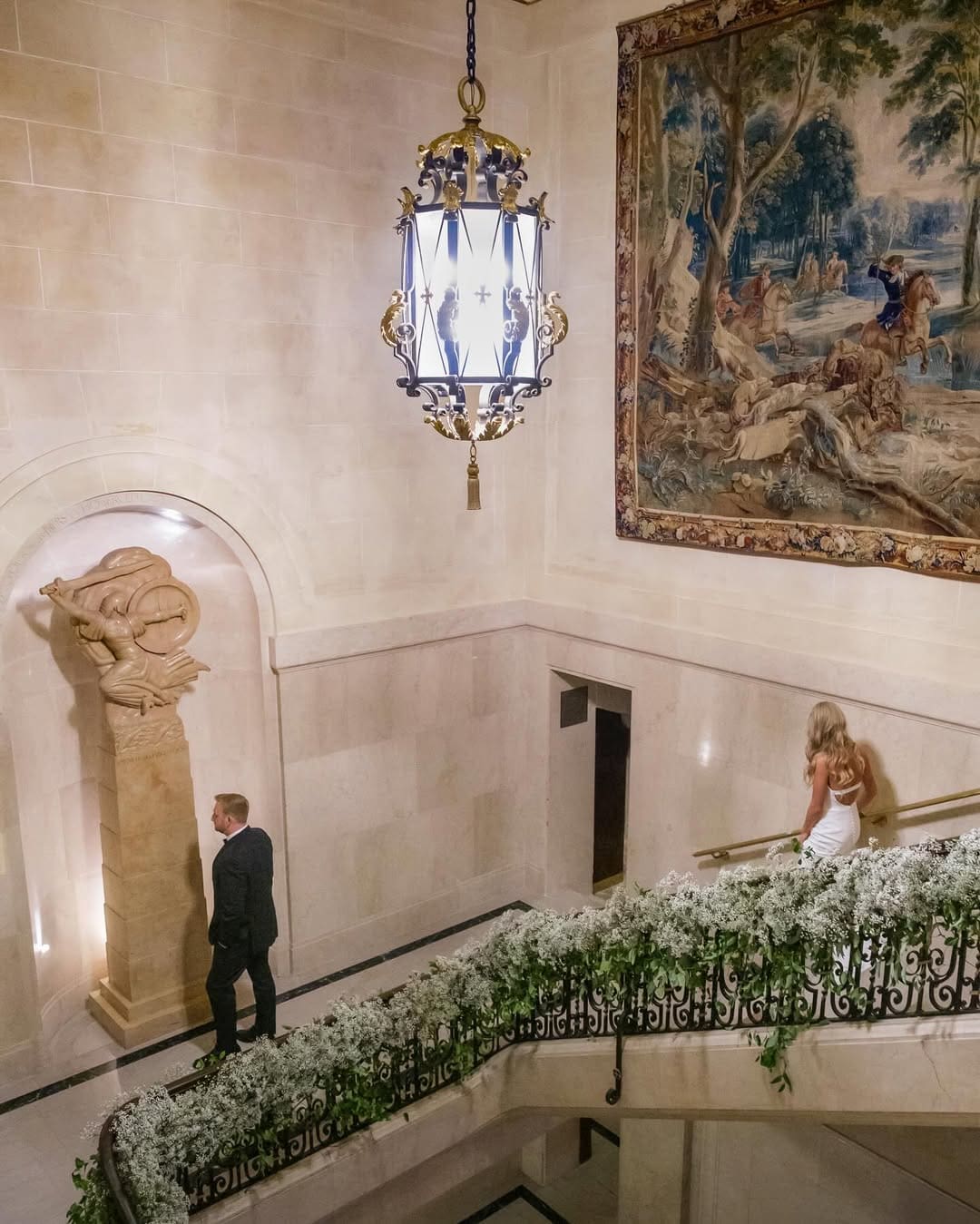
Completing Portraits Within a First Look Wedding Day Structure
Ray plans portraits in advance and completes them at a defined time. If the first look wedding day timeline allows portraits to happen earlier, many formal images can be completed before the ceremony begins.
That efficiency prevents repeated interruptions later. Once portraits conclude, documentary coverage resumes fully. From that point forward, the evening unfolds without staged pauses or unnecessary pull-aways.
The objective remains consistent: remove photography as a concern once the celebration begins.
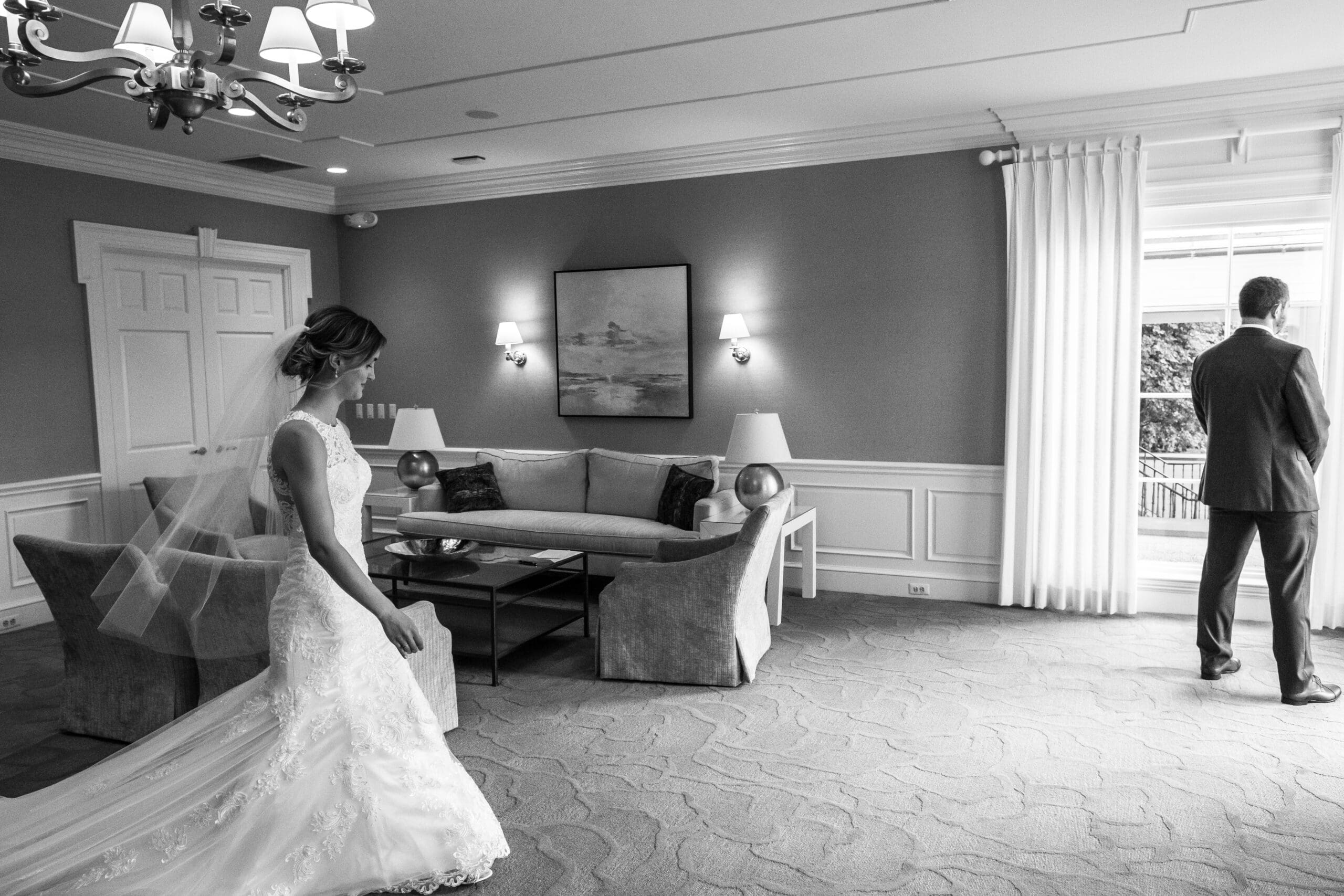
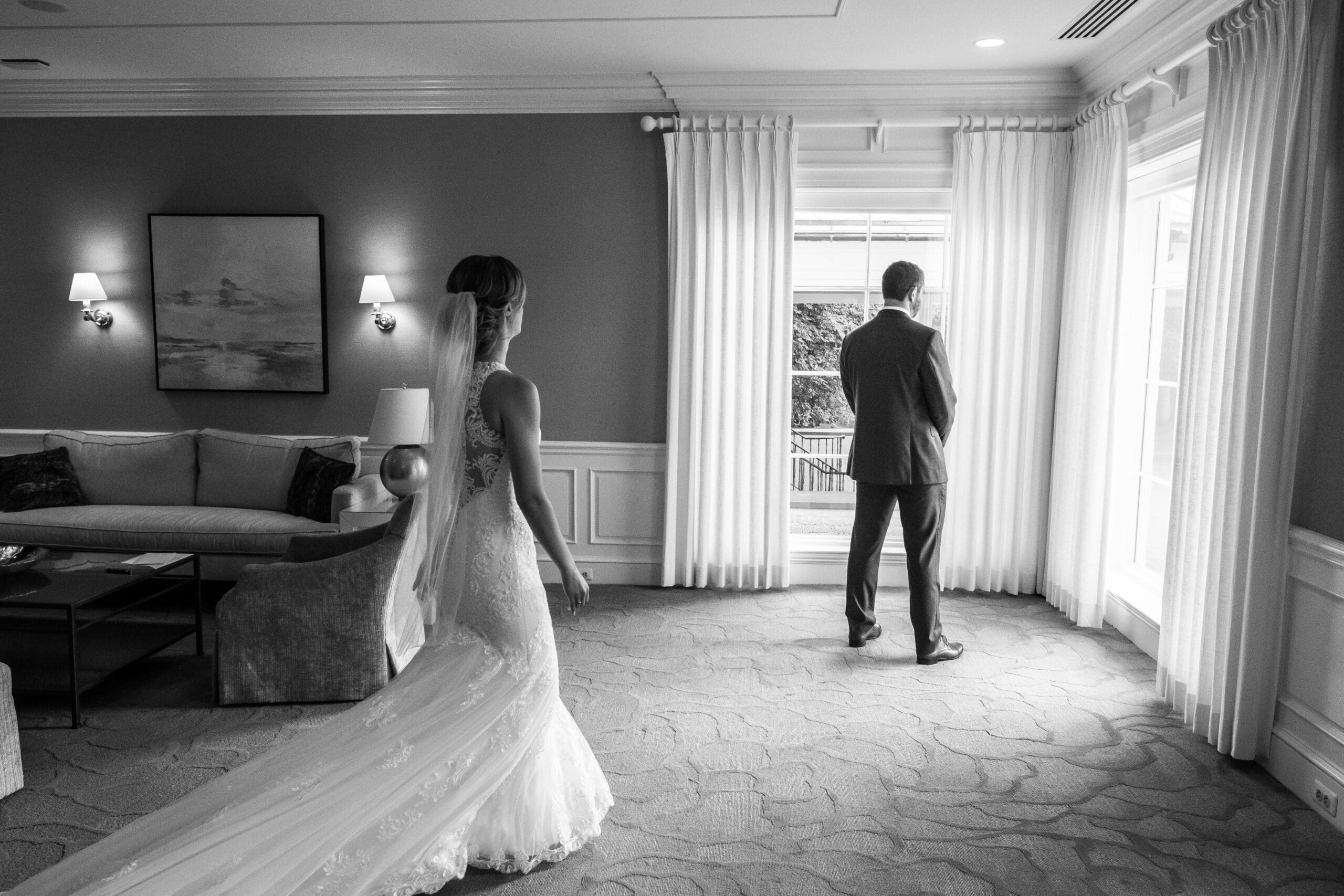
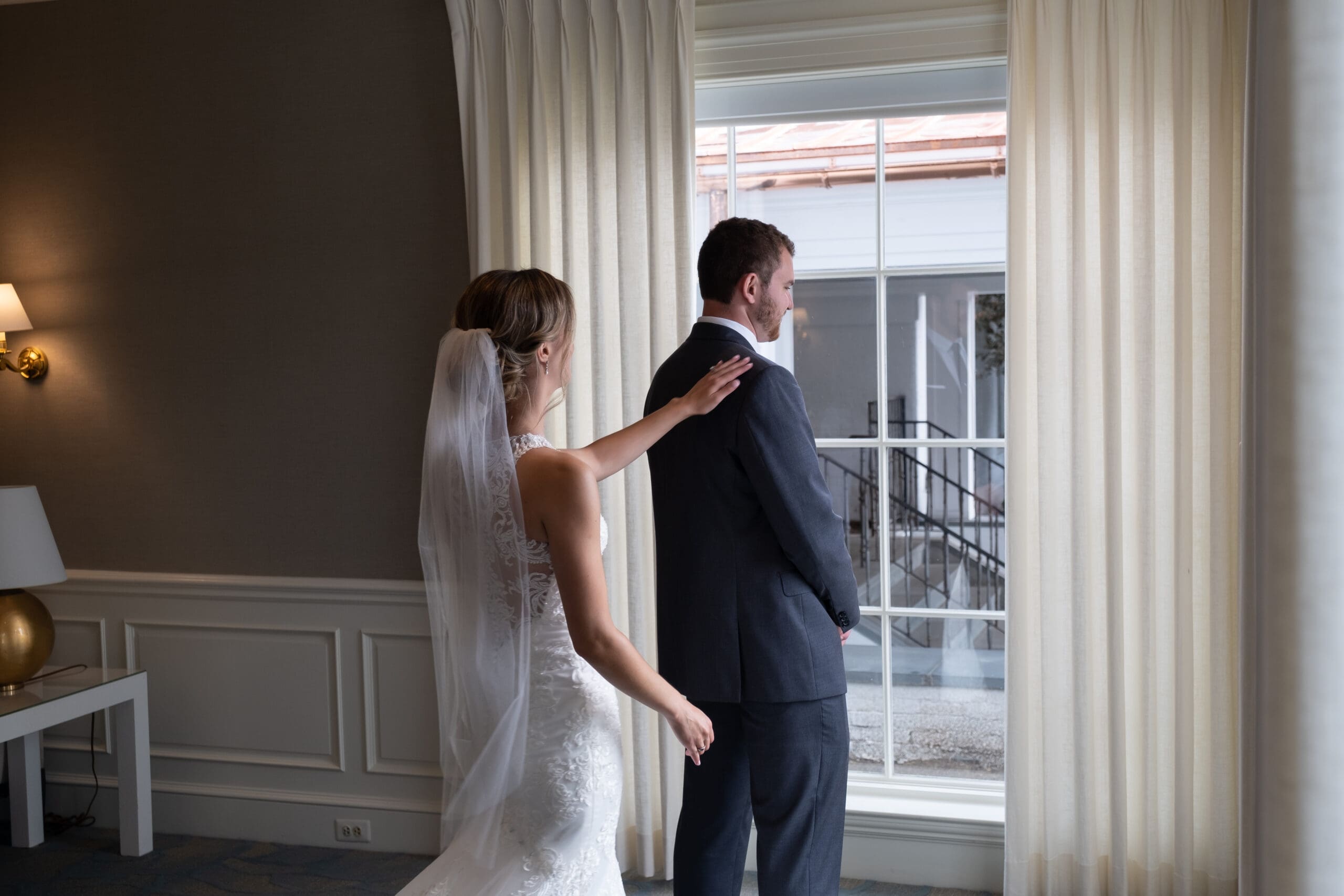
Reducing Post-Ceremony Pressure
Ceremonies often transition quickly into a cocktail hour. When portraits still need to happen, couples may move directly from the aisle into structured photos.
Completing portraits earlier changes that rhythm. Couples can greet guests, move through the space, and settle into the reception without interruption. For some, that adjustment creates a calmer experience.
Managing Light and Location in a First Look Timeline
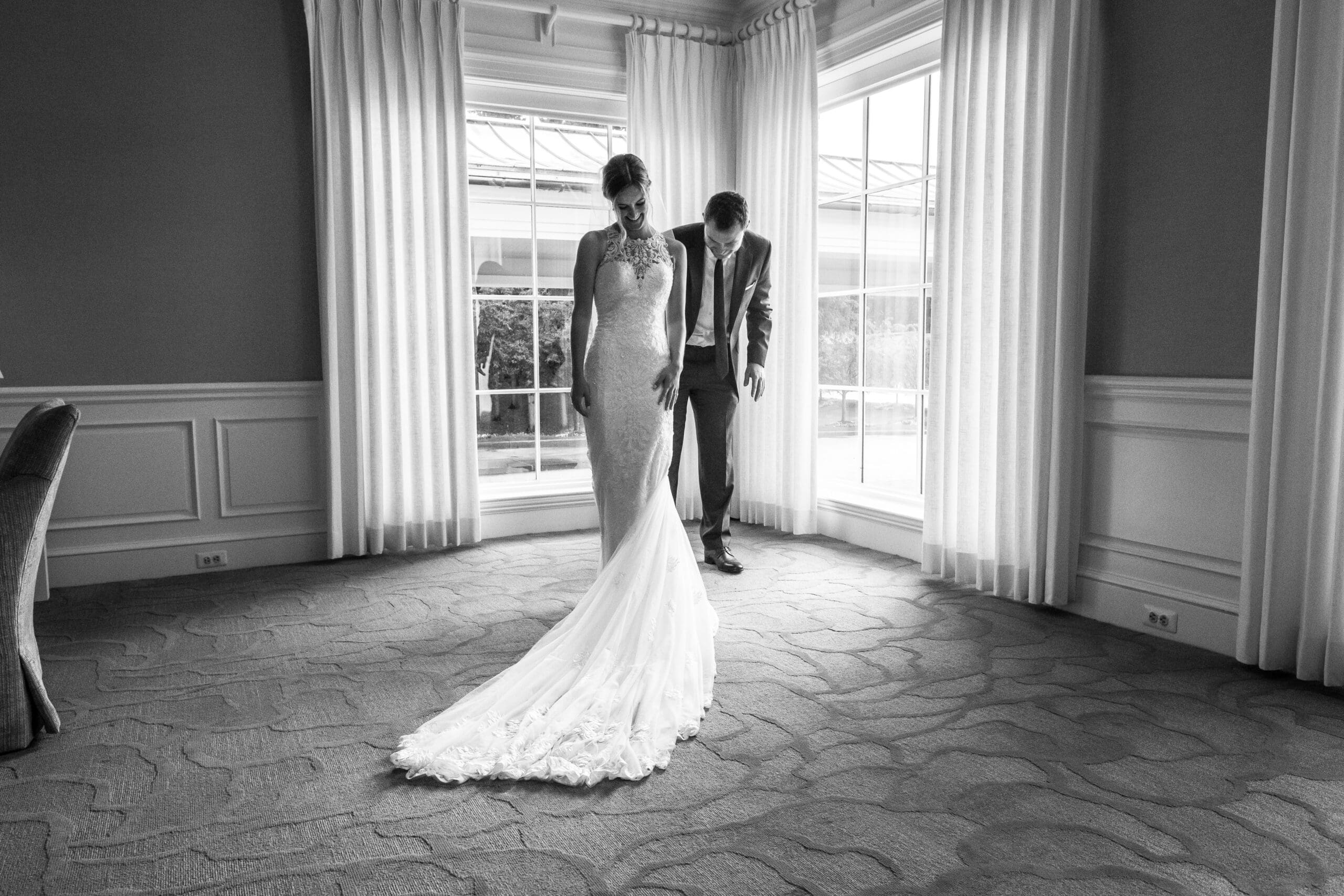
Lighting shifts throughout the day. Venue access also changes once guests begin arriving. A first look timeline often provides greater flexibility with natural light and location choices.
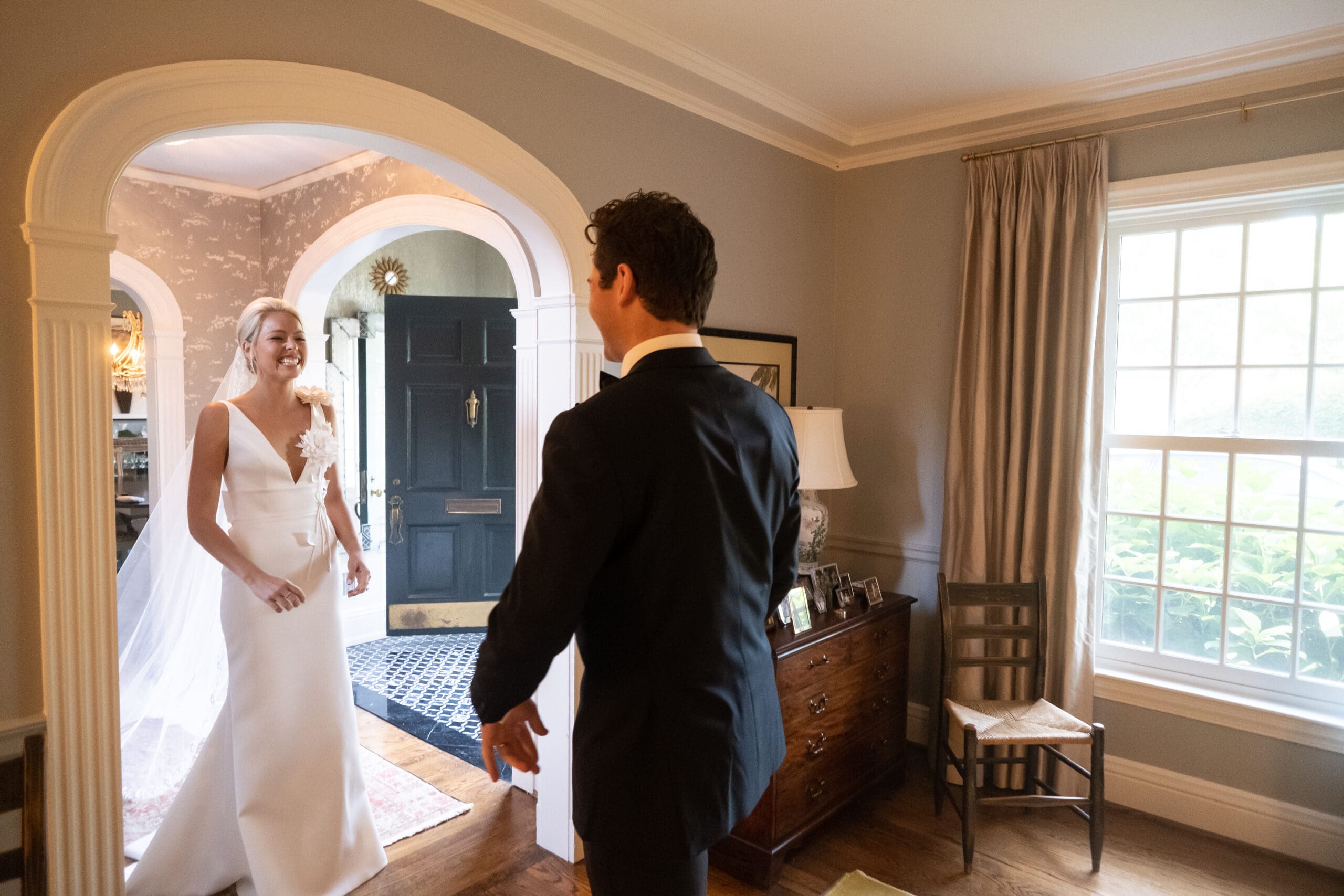
This approach does not require staging emotion or directing reactions. Ray positions himself intentionally and allows the moment to unfold without interference. The timeline supports the photography rather than the reverse.
Separating Private and Public Moments
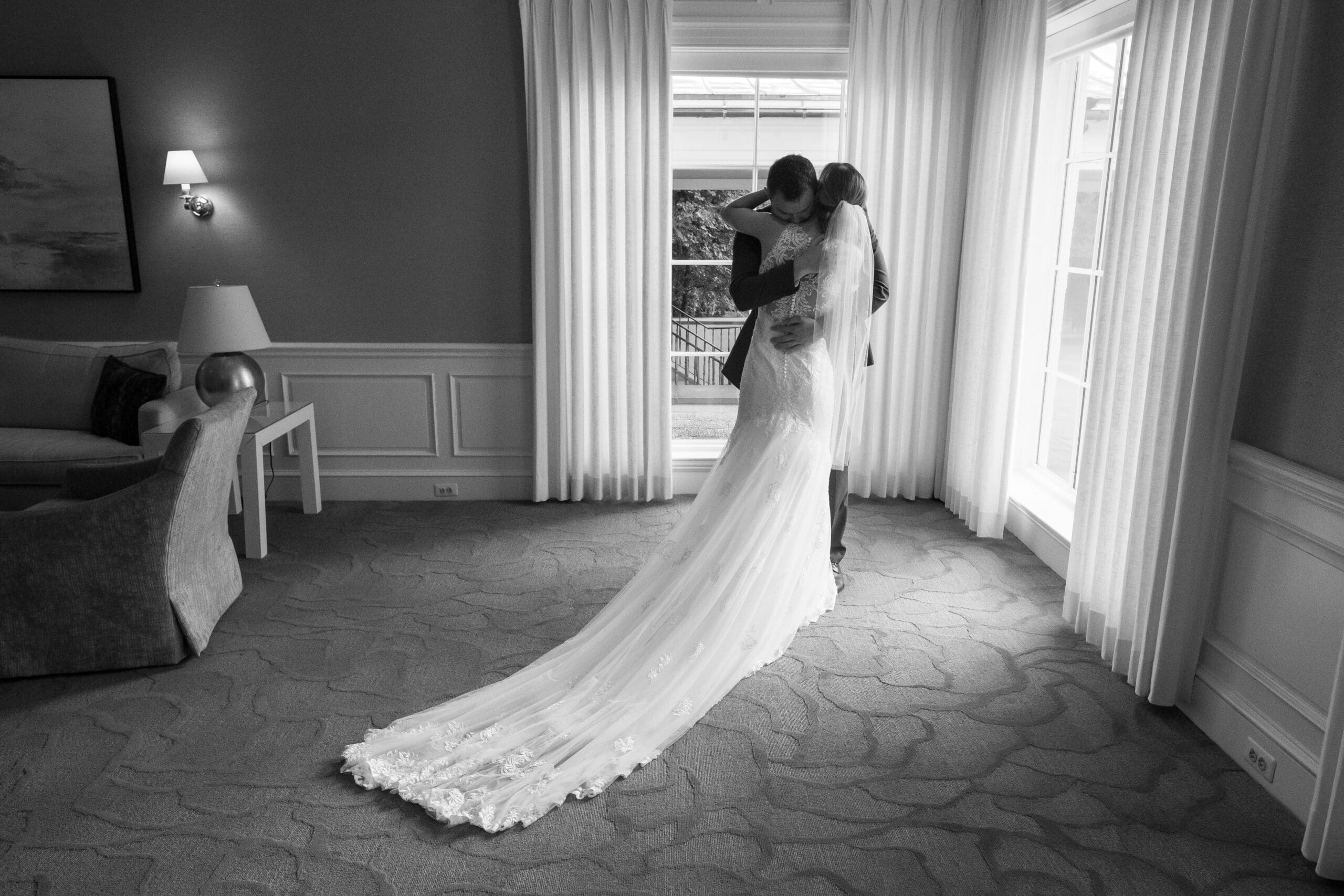
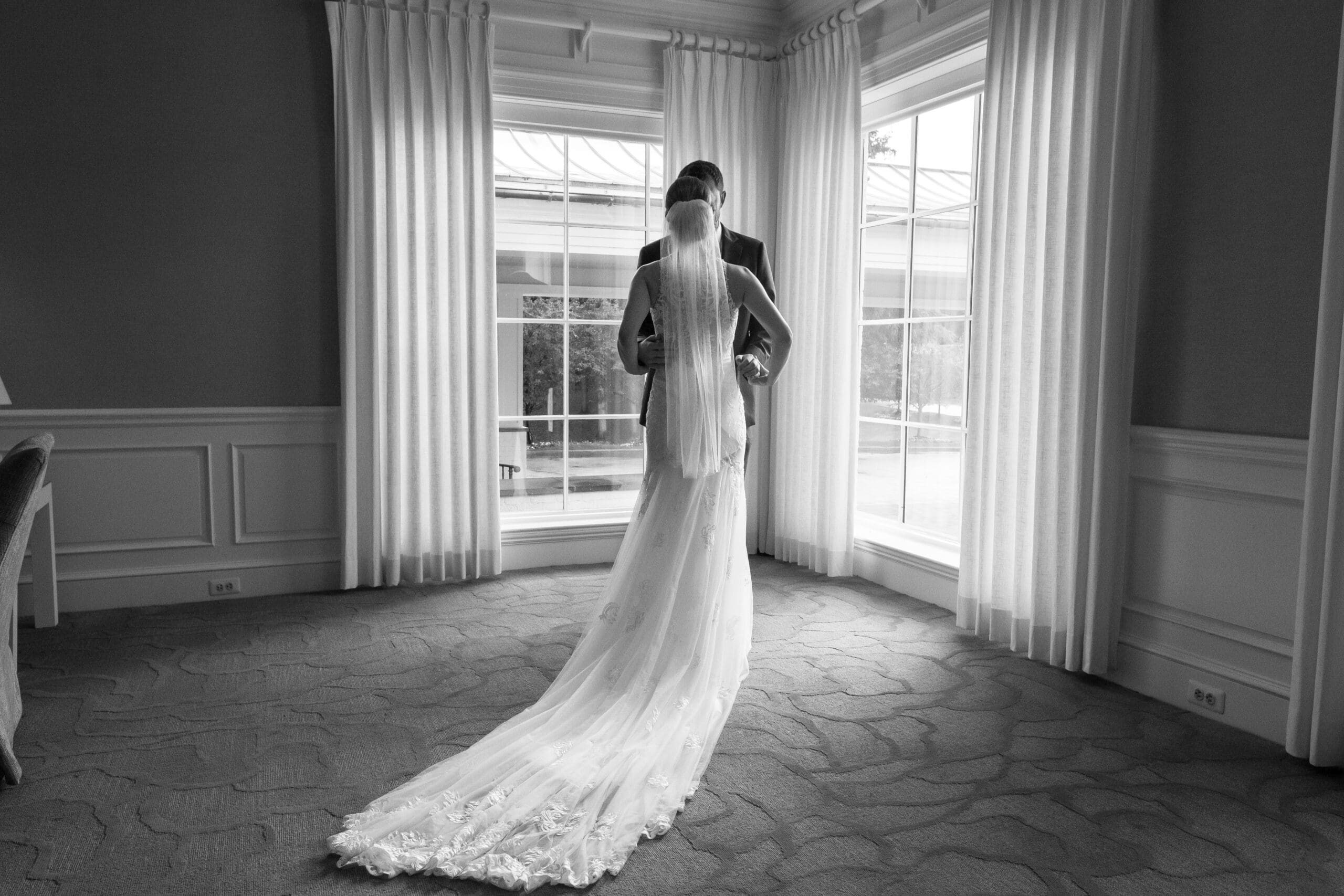
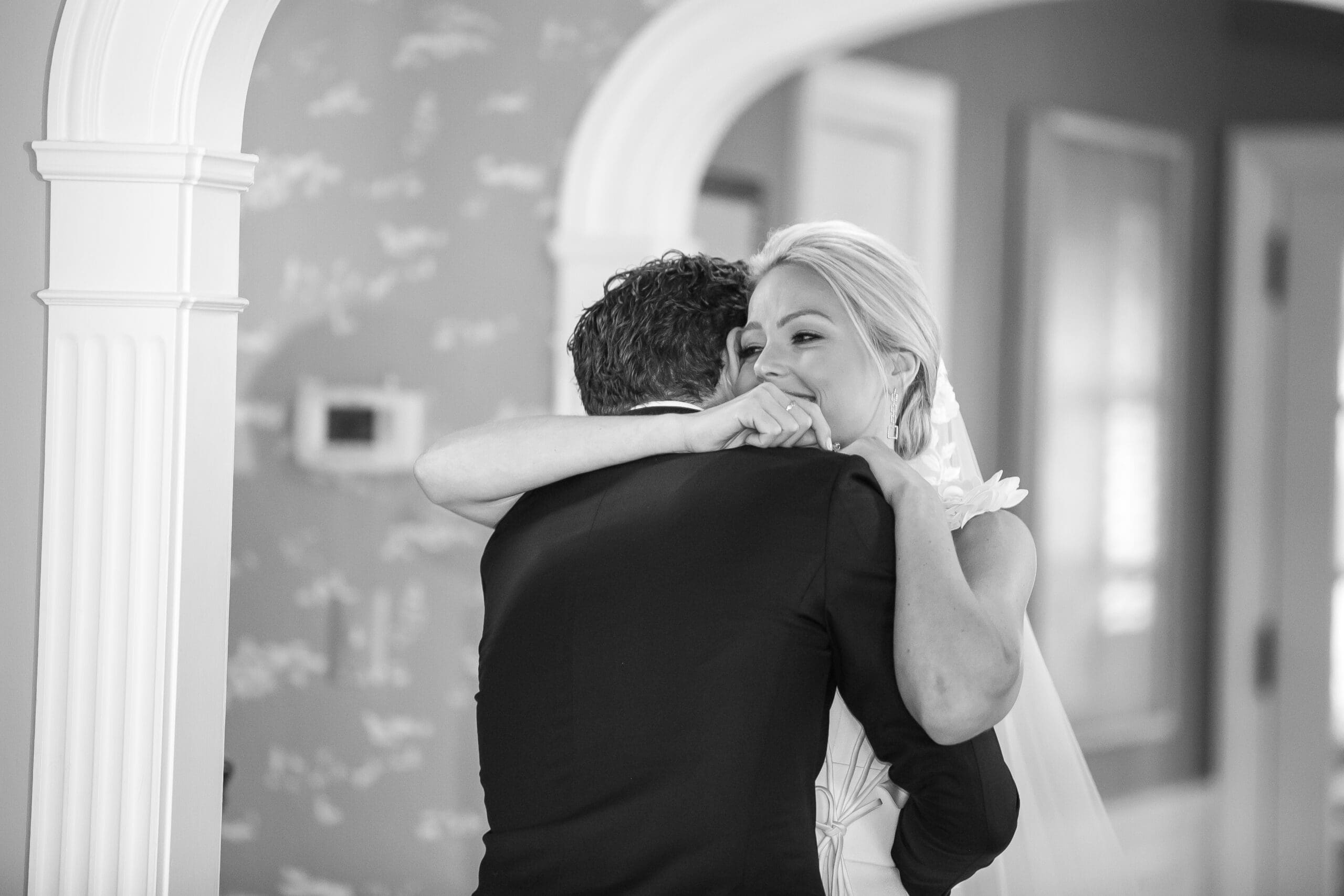
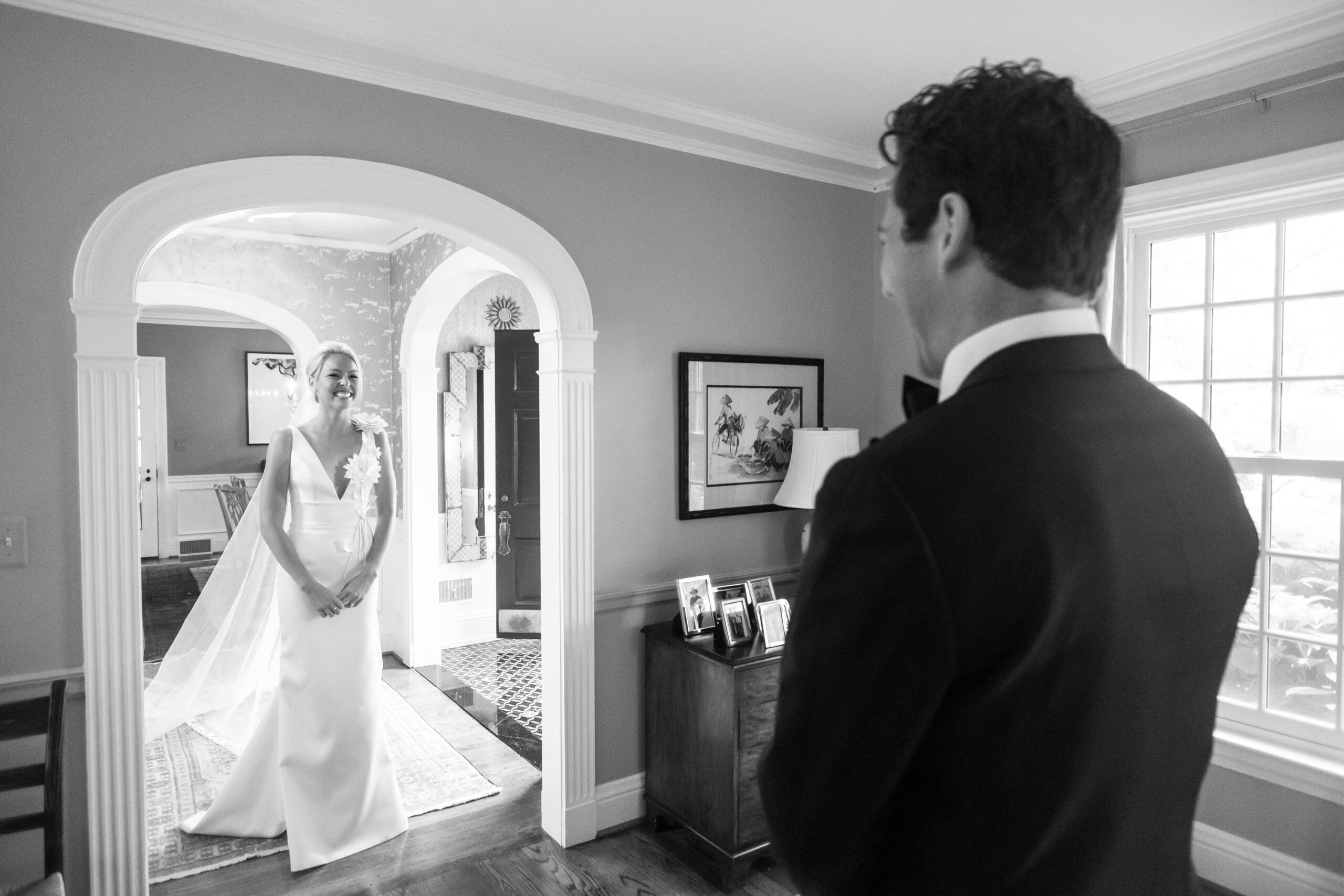
A ceremony takes place in front of family and friends. A first look happens privately.
Some couples value experiencing one moment without an audience and another within it. Others prefer to center everything on the ceremony itself. Neither approach is superior. The decision depends entirely on how you want the day to feel.
Some photographers take a more guided approach, while others focus on documenting moments as they naturally unfold, like Ray Anthony Photography. Ray stays in the background so the story develops naturally.
He does not orchestrate reactions. He does not interrupt the timeline repeatedly. Instead, he plans portraits carefully, completes them efficiently, and returns fully to documentary coverage.
A first-look wedding day structure is not mandatory. It is simply one architectural choice within the design of the day.
For couples who prioritize flexibility and timeline clarity, it may provide practical advantages. For others, waiting until the ceremony aligns more closely with their vision.
The right decision is the one that supports how you want to experience your wedding day.


LEAVE A COMMENT
Comments